Characteristics of Picric Acid
- First obtained
- 1771
- Beginning of use
- 1883
- Formula
- C6H2(NO2)3OH
- Starting materials
- phenol (carbolic acid), a mixture of nitric and sulfuric acids
- Structure
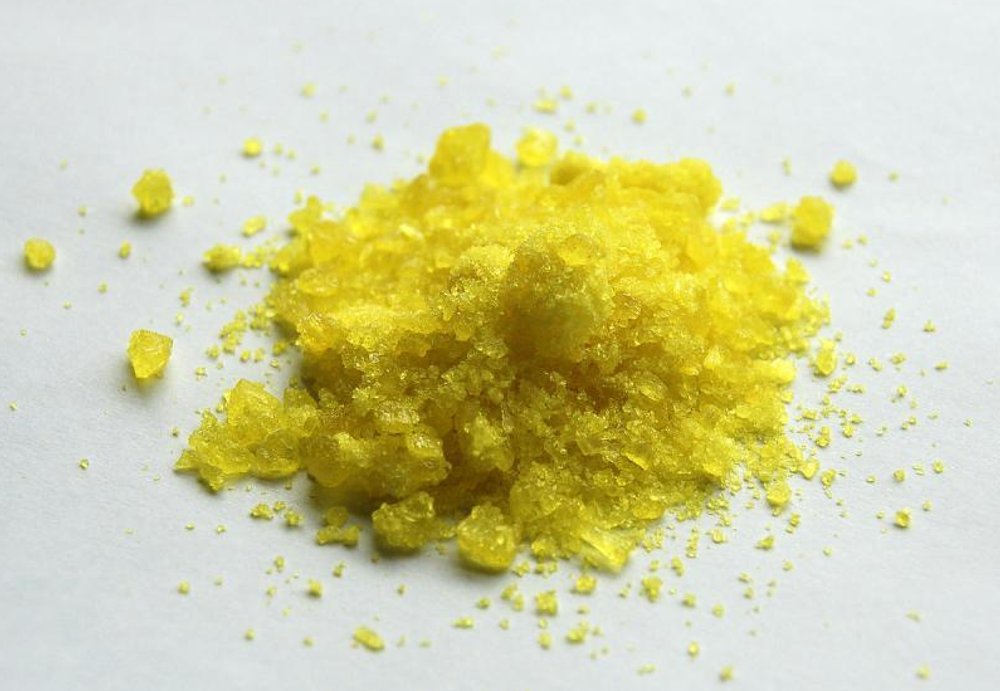
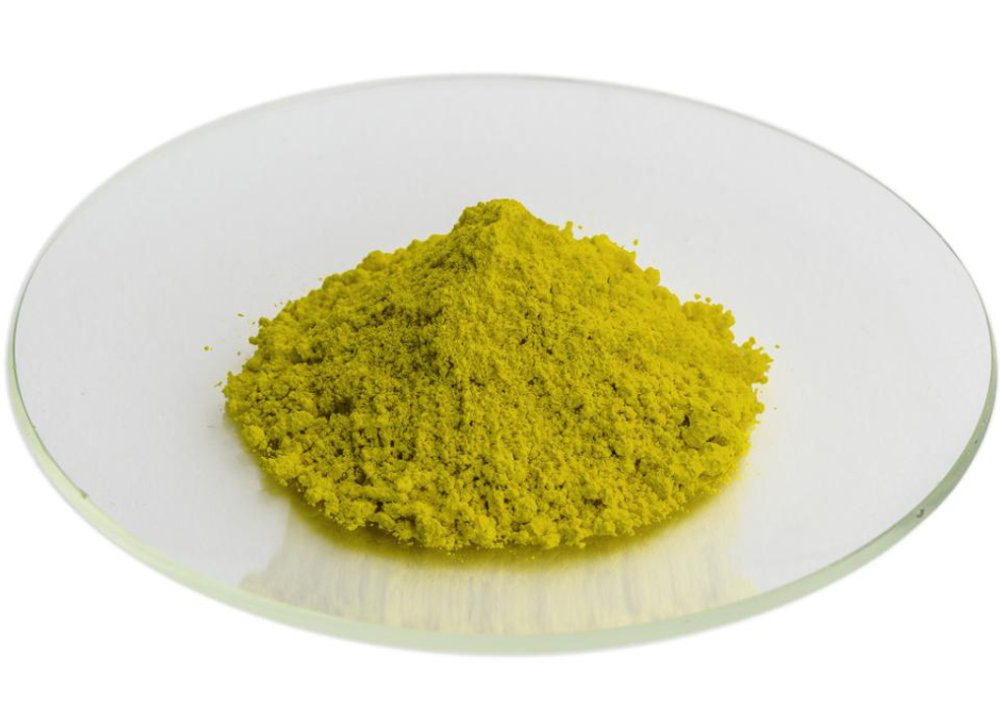
- crystalline substance
- Color
- yellow
- Sensitivity
- low sensitivity
- Taste
- bitter
- Combustion
- burns with a yellow flame with crackling; combustion may transition to an explosion
- Interaction with metals
- reacts with metals, forming picrates; does not react with tin
- Solubility in water
- poorly soluble
- Detonation velocity
- 7400 m/s at a density of 1.73 g/cm3
- TNT equivalent
- 0.97
- Specific features
- dust irritates the respiratory tract
The most important characteristic of picric acid is its high chemical reactivity. It readily reacts with metals (iron, lead, copper, zinc), forming salts—picrates.
Metal picrates (especially iron or lead picrate) are much more sensitive to mechanical stimuli than the acid itself. They may detonate from the slightest shock or friction, which often caused spontaneous explosions of old munitions in which the acid was in contact with the walls of the casing.
If old munitions filled with picric acid are found, they are considered extremely dangerous precisely because of the probable formation of unstable picrates on threaded joints or casing walls.