
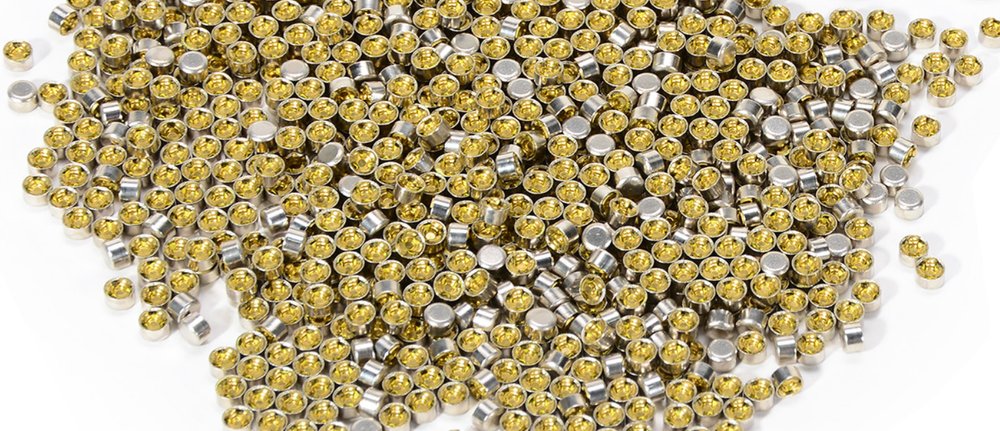
Intended for initiating flash-action detonator caps, igniting black powder charges, and also used in training-simulation fuzes.
Initiating devices are special devices designed to start (initiate) the explosive process in the main charge of an explosive. They convert an external stimulus (impact, friction, electrical impulse, flame) into detonation or explosion. These include detonator caps, fuzes, electric detonators, detonating cord, etc. Their primary function is to ensure reliable, controlled, and timely initiation of detonation of the main charge.
Intended for initiating flash-action detonator caps, igniting black powder charges, and also used in training-simulation fuzes.

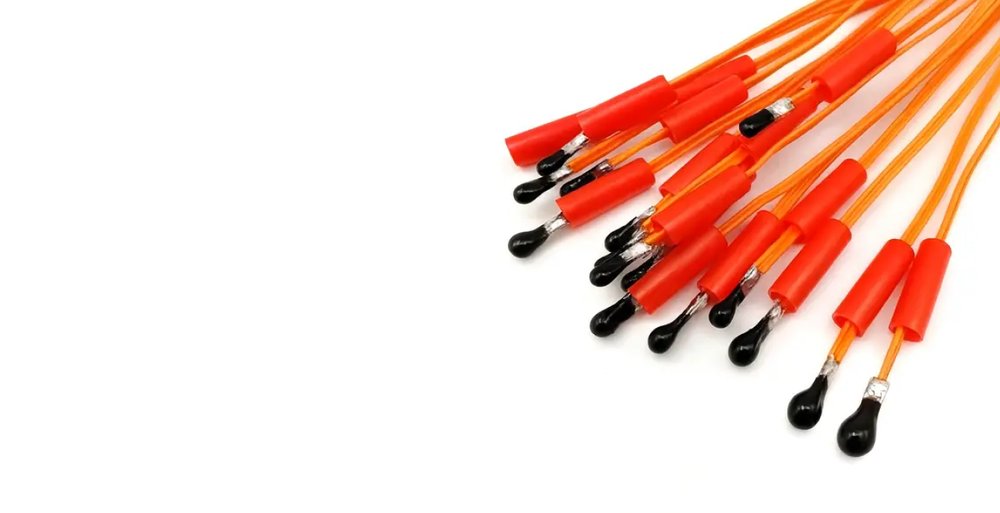
These devices are designed to initiate detonator caps and ignite propellant charges. Electric igniters with a nichrome bridgewire and with a platinum-iridium bridgewire are available.

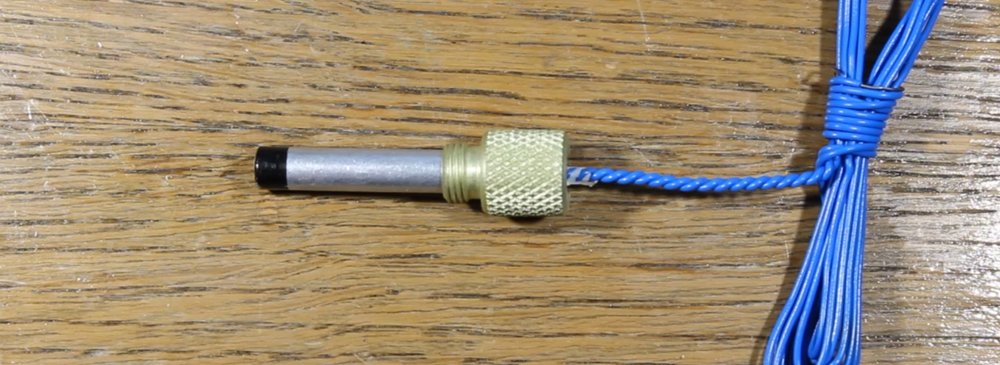
Initiating devices designed to detonate explosives by means of electric current. They convert an electrical impulse into thermal energy (via a bridgewire), causing ignition of the initiating composition and subsequent detonation. They provide remote, precise, and controlled initiation of the charge.

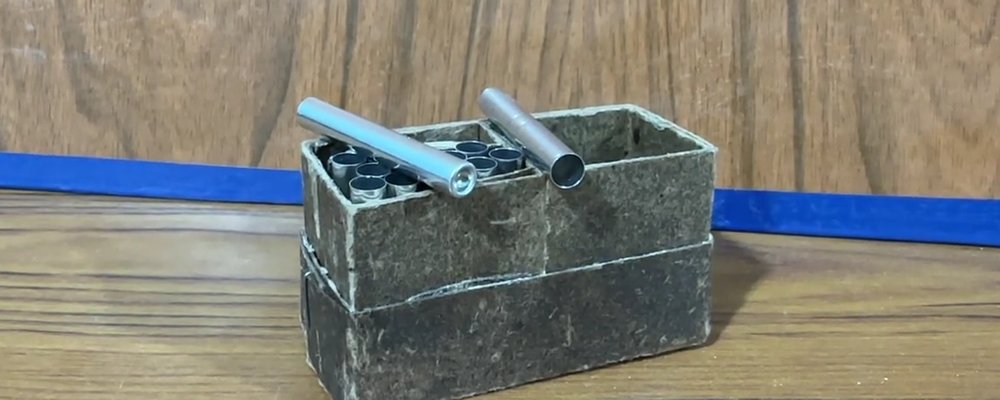
Initiating devices designed to cause detonation of the main explosive charge. Depending on their method of initiation, detonator caps are classified as flash-initiated and stab-initiated. Flash-initiated detonator caps detonate under the action of the flame from a safety fuse, primer cap, electric igniter, as well as from the detonation of detonating cord and the effect of the blast shock wave from a nearby explosive charge. Stab-initiated detonator caps detonate when pierced by the point of a striker.


Fuzes designed to initiate anti-tank mines. They may be contact or non-contact.