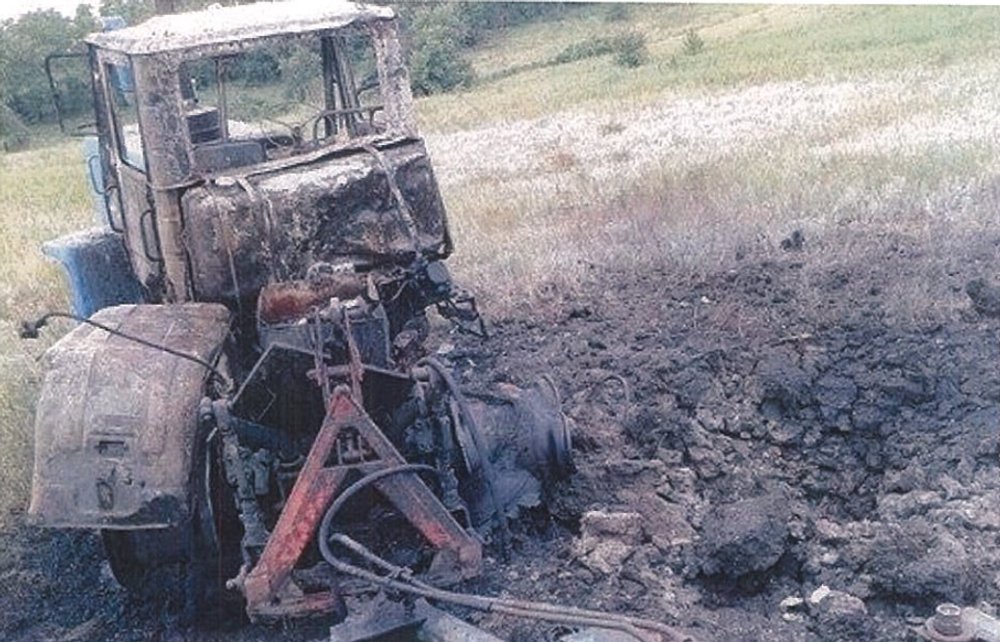
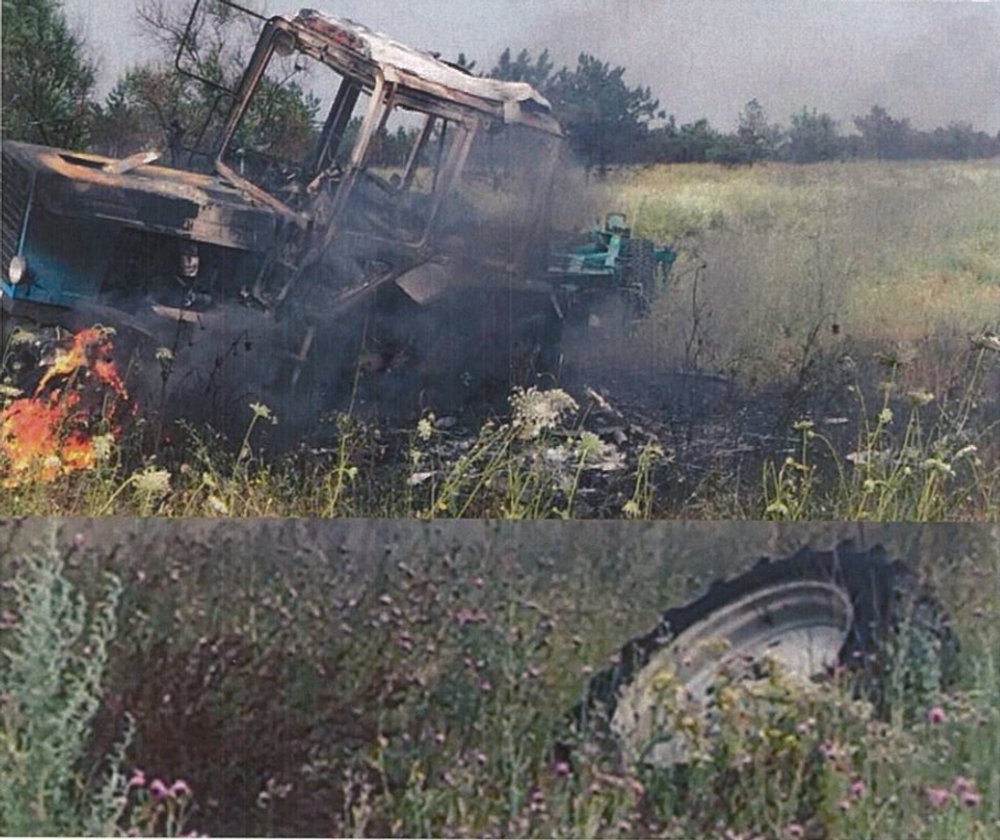
The mine may be emplaced either on the ground surface or in the ground, in snow, or underwater, manually or by mechanized means (PMZ-4P trailer-mounted mine layer, GMZ-3 tracked mine layer, VSM-1 helicopter mine-laying system).
The mine’s operational life is not limited. When the metal casing of the mine is destroyed by corrosion, the mine’s sensitivity increases from 120-400 kgf to 3-5 kgf. The mine is not fitted with a self-destruct mechanism.

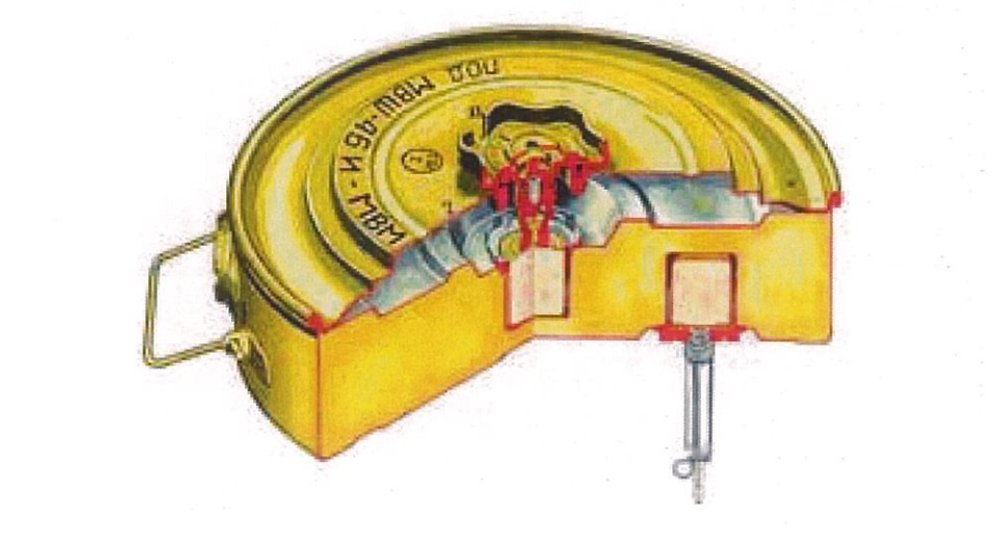
Technical and Tactical Characteristics of the TM-46 and TMN-46 Mines
- Mine type
- anti-track
- Casing
- metal
- Weight
- 8.6 kg
- Explosive
- cast TNT/ammonite at a ratio of 50% / 50%
- Weight of explosive
- 5.7 kg
- Diameter
- 300 mm
- Height with MVM
- 108 mm
- Height with MVSh-46
- 261 mm
- Target sensor diameter
- 200 mm
- MVM sensitivity
- 120-400 kg
- MVSh-46 sensitivity
- 190-400 kg
- Operating temperature range
- from -60 °C to +60 °C
The mine is supplied in two variants: TM-46 and TMN-46, with MVM and MVSh-46 fuzes.
The TMN-46 differs from the TM-46 by the presence of a second fuze well in the bottom of the mine for fitting an anti-handling fuze of the MUV series with an MD-6N detonator.
The mine may be used as a booby-trap mine. For this purpose, the special ENO fuze is used, which has the external appearance of the standard blanking plug. In this case, detonation occurs when an attempt is made to unscrew the plug.
Externally, the ENO plug does not differ from an ordinary standard blanking plug, but underneath it has a device that strikes the detonator when an attempt is made to unscrew the plug.
If the colors of the plug and the mine casing have different shades, this mine most likely has an ENO plug and is not subject to clearance.

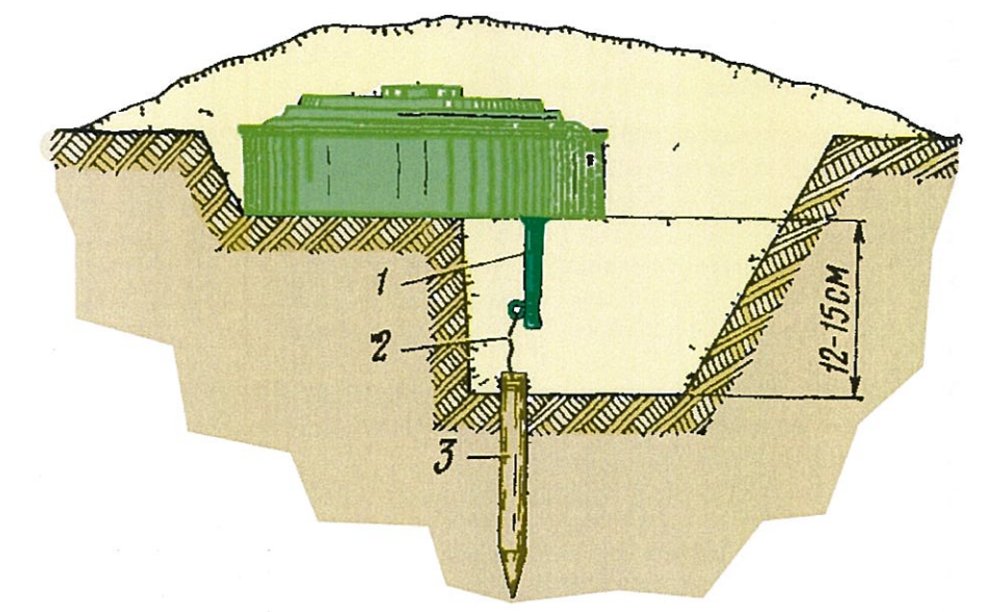
The MVSh-46 fuze is a tilt-rod fuze. It functions when bent by a wheel or track.

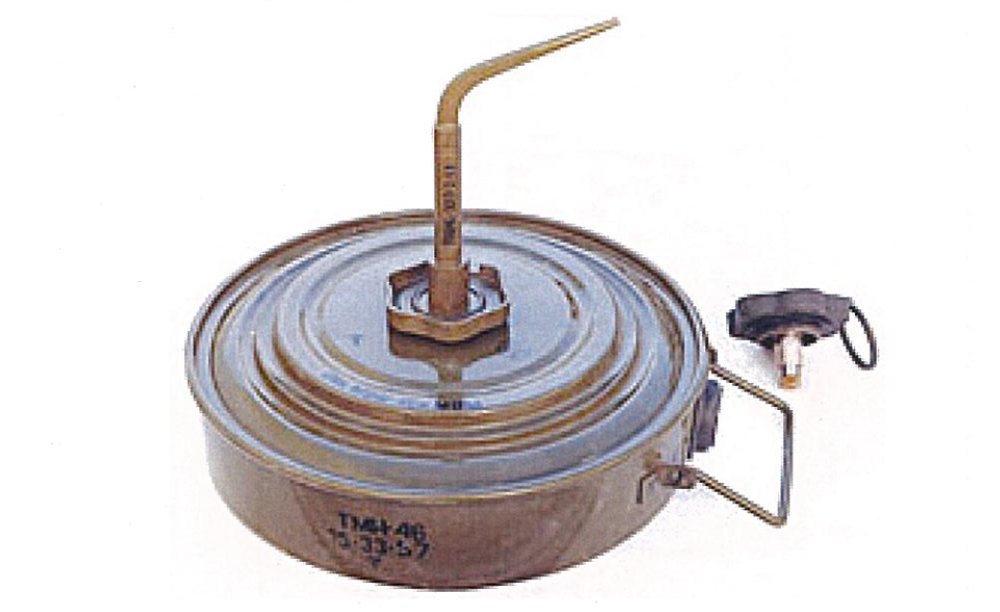
This fuze reveals the mine’s presence, but its use is advisable in very soft, marshy ground, or when the mine is emplaced in mud in autumn and its operation is expected in winter, when the ground freezes.
The TM-46 is the most treacherous to clear of all Soviet anti-tank mines.
Externally, the TM-46 can be distinguished from the TMN-46 only by the presence of an anti-handling fuze in the bottom of the mine, which can be detected by digging under the mine. However, since the MUV-2 fuze is very treacherous (the safety pin comes out very easily), it is better to destroy these mines by detonation.
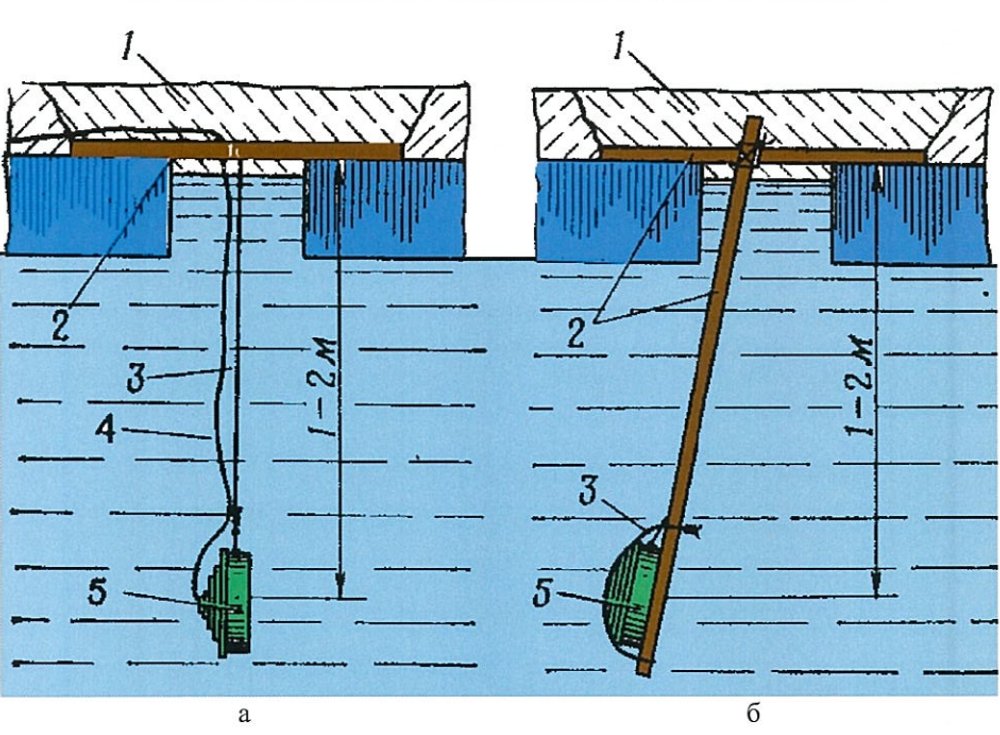
TM-46 mines are also used to create mine obstacles on rivers, lakes, and reservoirs under the ice.
Usually, one active mine with a VPMA fuze with an electric detonator and several passive mines with VPMA fuzes are emplaced at a distance of up to 10 meters from the active mine. Depth is up to 2 meters. The active mine is detonated by the electric detonator via a cable. The passive mines detonate under the effect of the blast wave from the detonation of the active mine.
Because safety devices for the covers and special keys are generally not available at hand, such mines should be destroyed by detonation.

Mine color
As a rule, the mine is painted dark green or olive green. Individual batches may be painted olive-yellow or yellow-gray.
Mine marking
Applied in black letters with paint on the side or on the mine cover, and includes:
TM-46 or TMN-46 - mine code (may be absent);
34-3-49 - manufacturer’s plant code (batch number, year of manufacture; this is only an example, the figures may differ);
A-50 - filling code.
On some mines, additional marking is applied in a circle on the covers: "ПОД МВШ-46 И МВМ"
Damage capability
Usually, the detonation of a TM-46 breaks 3-4 links of a tank track, with minor damage to the road wheel. Often the damage to the road wheel is such that it can continue to be used.