

Mines designed to damage or destroy mobile or stationary objects.
Explosive devices emplaced underground, on the ground, in water, or on another surface, which detonate upon contact with or proximity to a person or vehicle.
Mines designed to damage or destroy mobile or stationary objects.

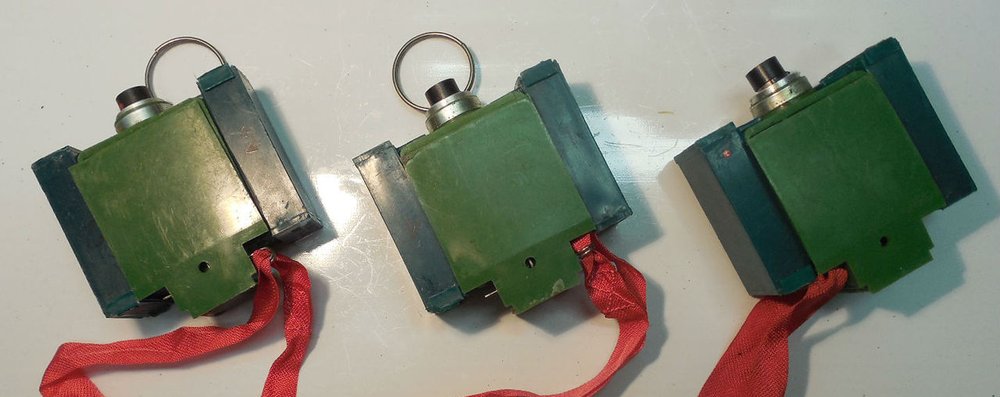
Mines designed to protect minefields against neutralization and to create booby traps.

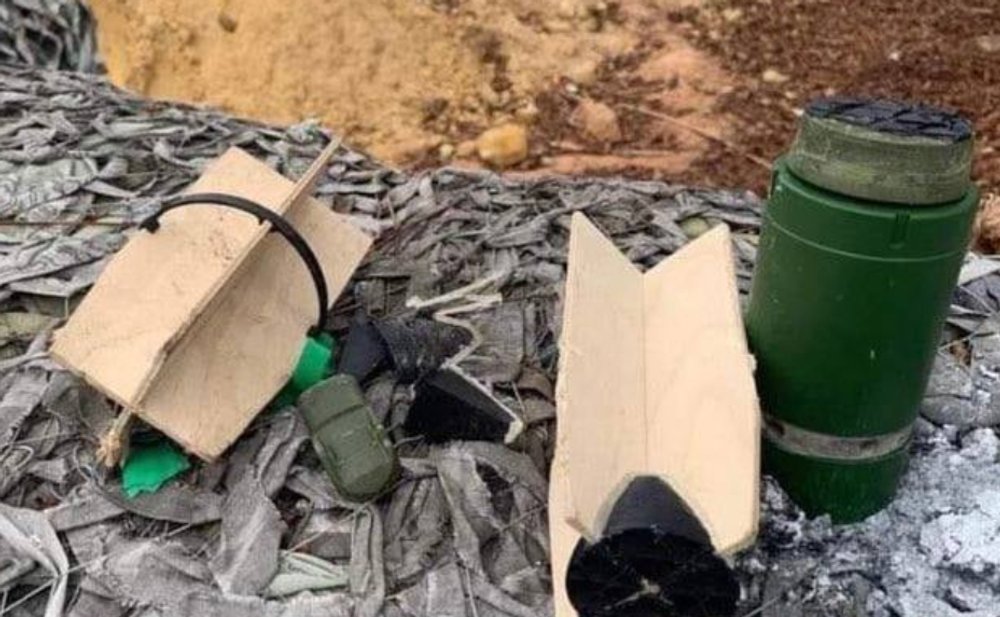
Mines designed to create fire outbreaks at storage depots for equipment, materiel, fuel, and lubricants.

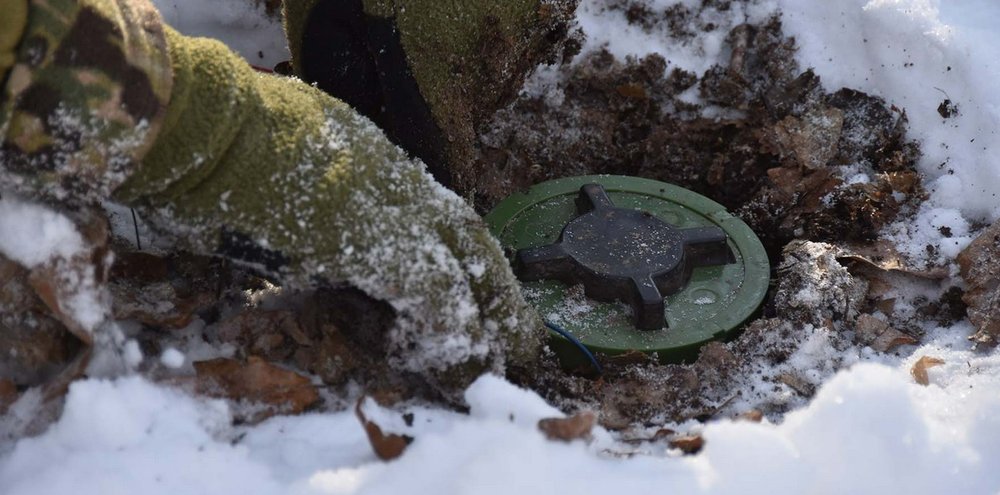
Mines are designed to incapacitate enemy personnel upon pressure being applied to the mine.

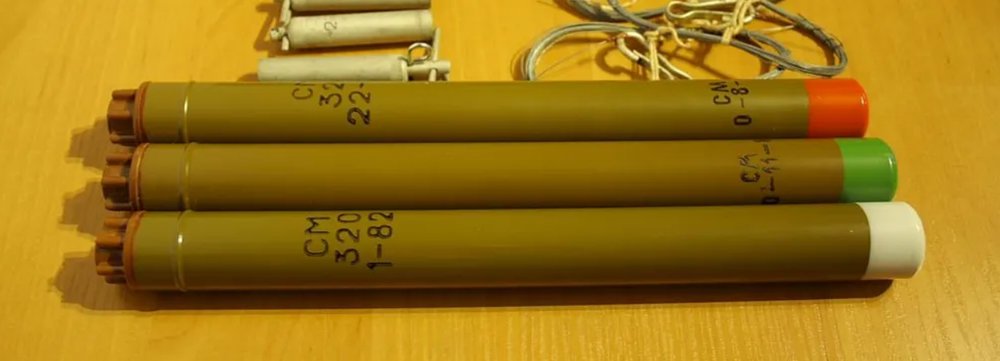
Mines designed to provide audible and visual signals.

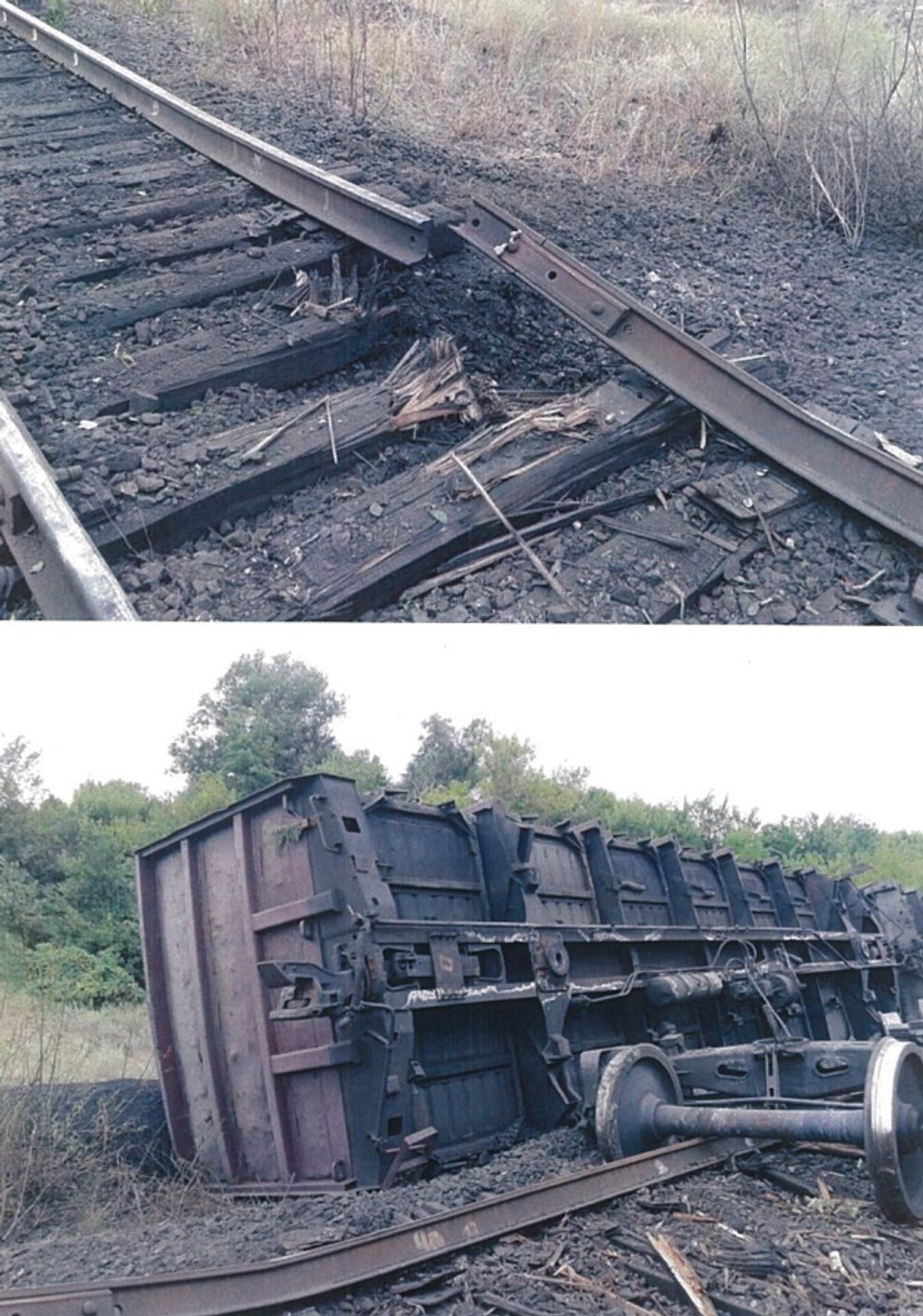
Mines designed for mining motor roads and railways.

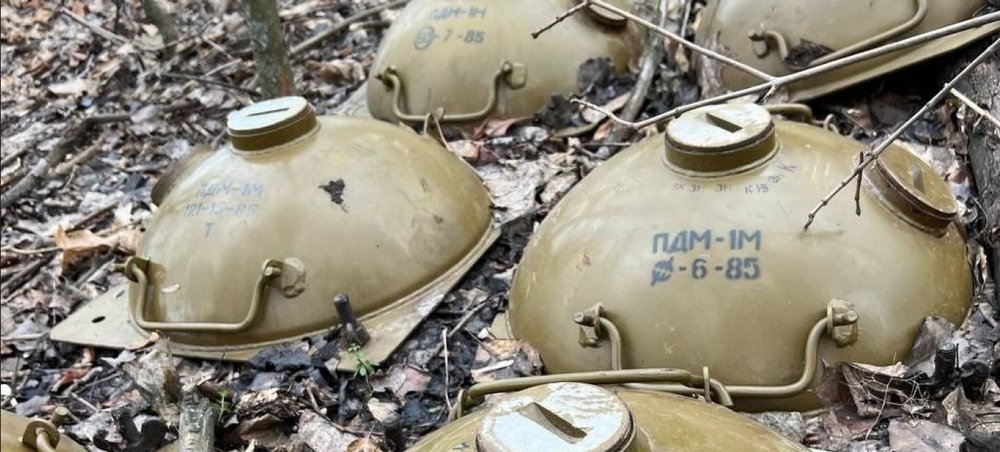
Mines intended for mining the shorelines of seas, rivers, and lakes.

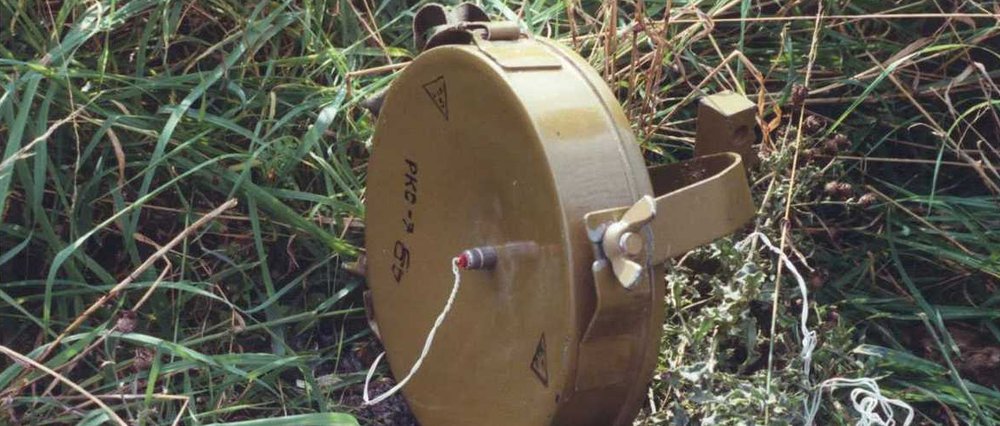
The mines are designed to incapacitate enemy personnel upon transmission of a detonation signal.

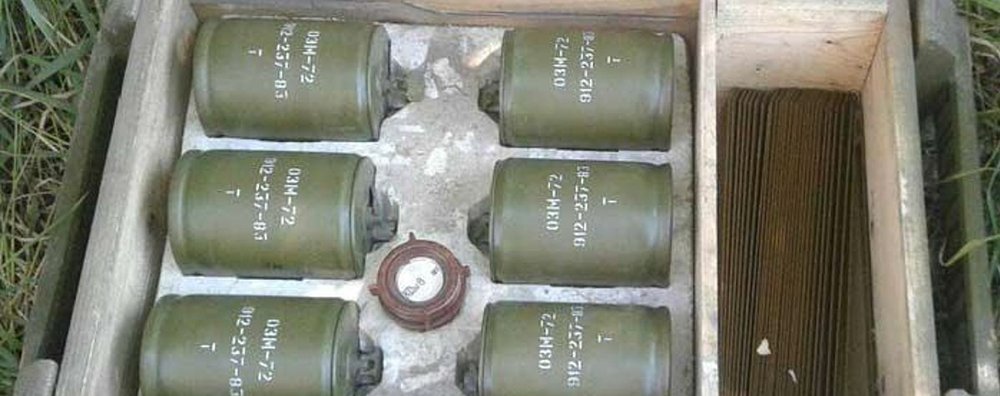
Mines designed to incapacitate enemy personnel upon actuation of the tripwire sensor.

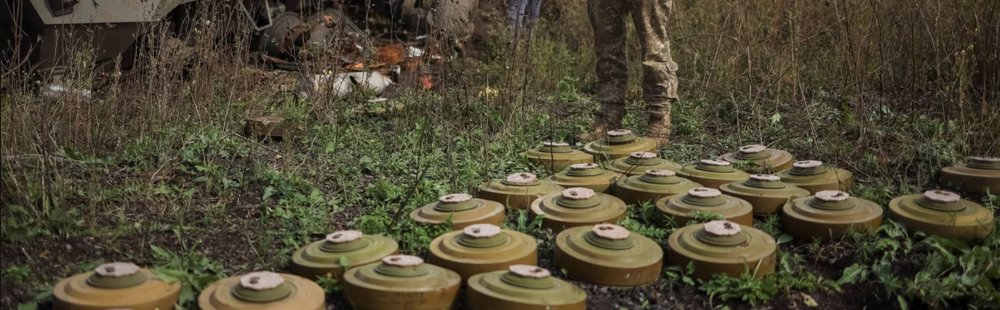
Mines designed to disable tracked and wheeled vehicles by destroying their running gear.

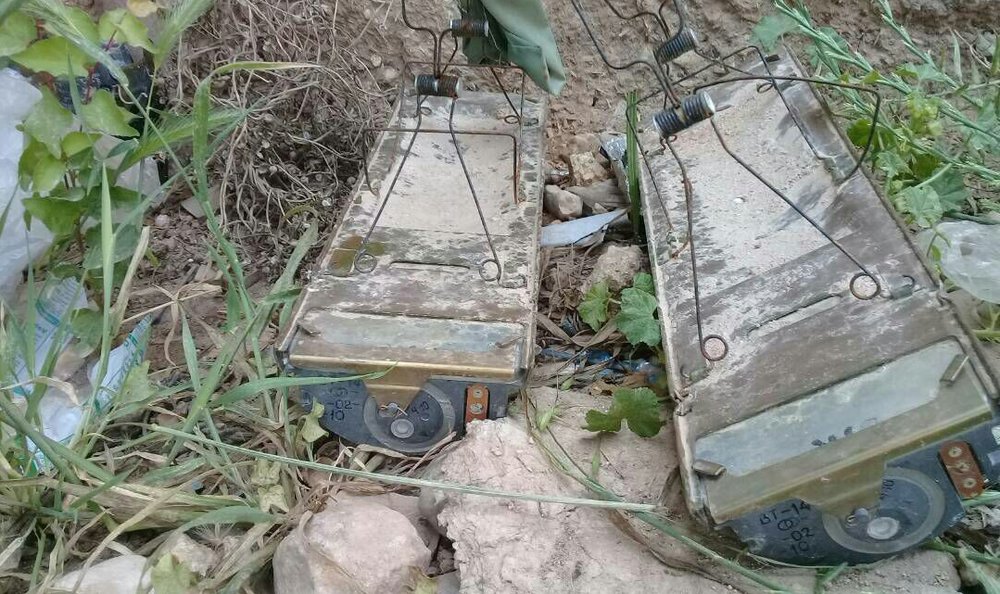
Mines designed to disable tracked and wheeled vehicles by penetrating the hull bottom with a shaped-charge jet when the vehicle passes over the mine.

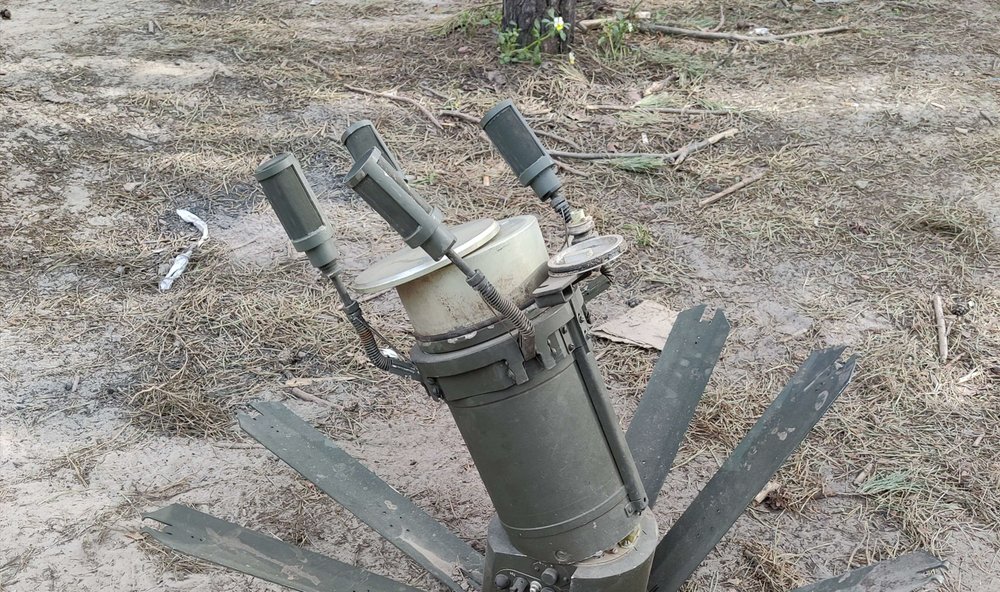
Mines are designed for mining terrain in order to engage tanks and other armored vehicles in the vehicle’s top projection.

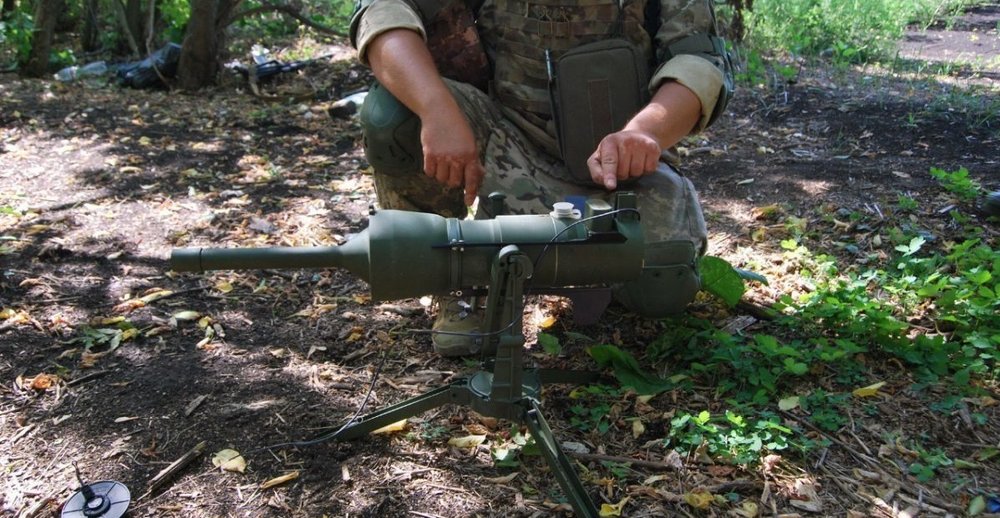
Mines are intended for emplacing minefields in terrain in order to engage tanks and other armored vehicles in the side aspect.

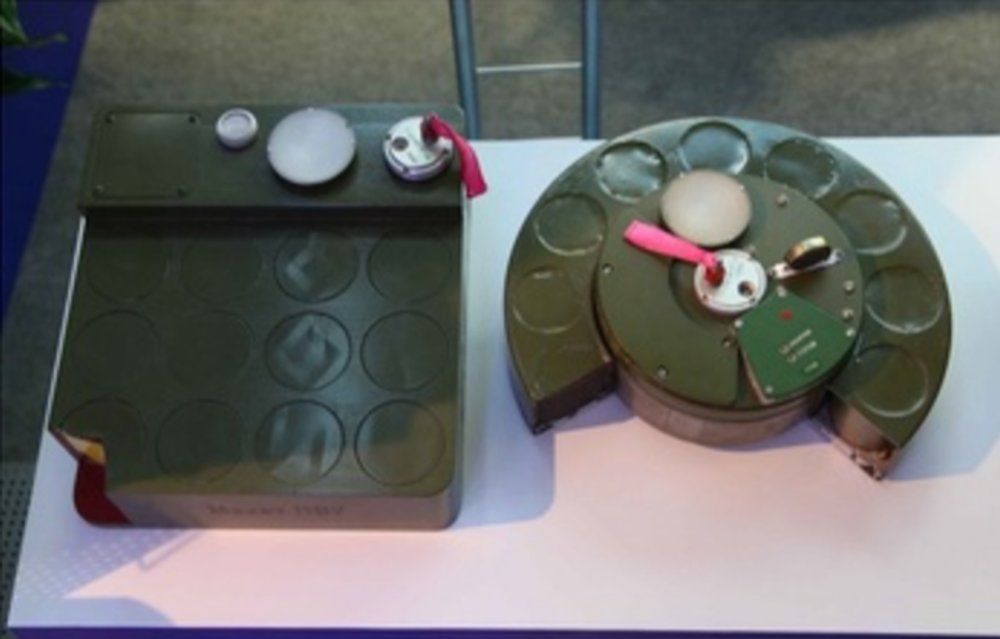
Mines are intended to protect military and civilian facilities against helicopter attacks, to protect sections of the coastline where helicopter-borne landings are possible, to protect minefields against helicopter mine clearance, to block runways at enemy airfields, to block locations where alternate airfields or dispersal airfields may be deployed, and to exert psychological pressure on helicopter pilots in order to compel them to fly at high altitudes.