Standard cylindrical metal cassettes can be used by various remote mining systems, both ground-based (PKM-1, UMZ, UMZ-K) and the helicopter-mounted VSM-1. The cassette contains 4 POM-3 mines.
Technical and tactical characteristics of the POM-3 “Medalyon” mine
- Mine type
- anti-personnel controlled-action fragmentation bounding mine, all-round effect, controlled action
- Body
- steel
- Weight
- 1.8 kg
- Weight of A-IX-T explosive
- 0.099 kg
- Diameter
- 60 mm
- Height
- 183 mm
- Target sensor response radius
- 6 - 13 m
- Continuous lethal radius
- 13 m
- Functioning height
- up to 1.5 m
- Self-destruction time
- 0.5, 1, 2, 4, 8 hours
- Operating temperature range
- -40 to +50 °C

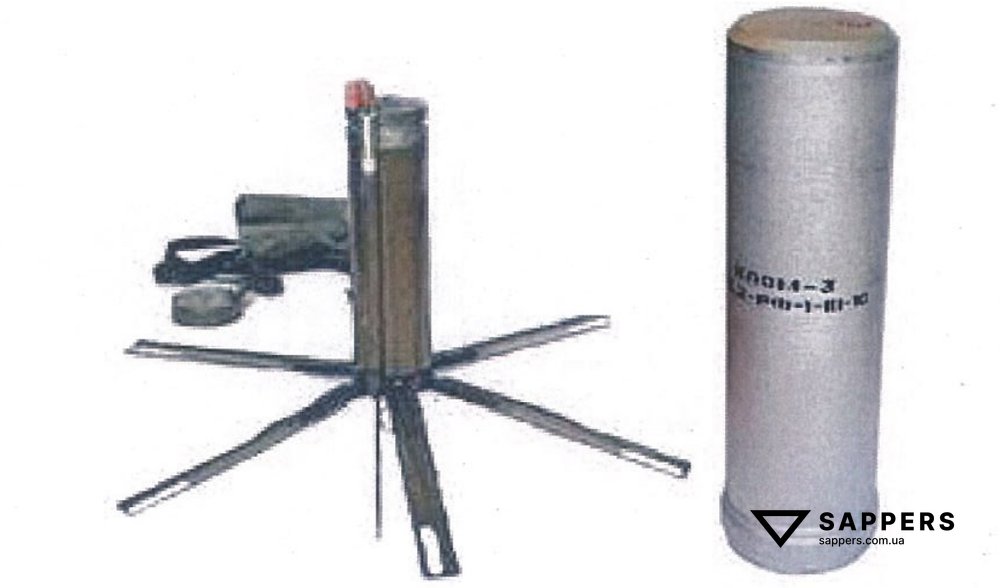
To increase the effectiveness of target engagement, the mine is fitted with an ejectable fragmentation warhead. In addition, it is equipped with an electronic system that searches for targets and is responsible for initiating the warhead.
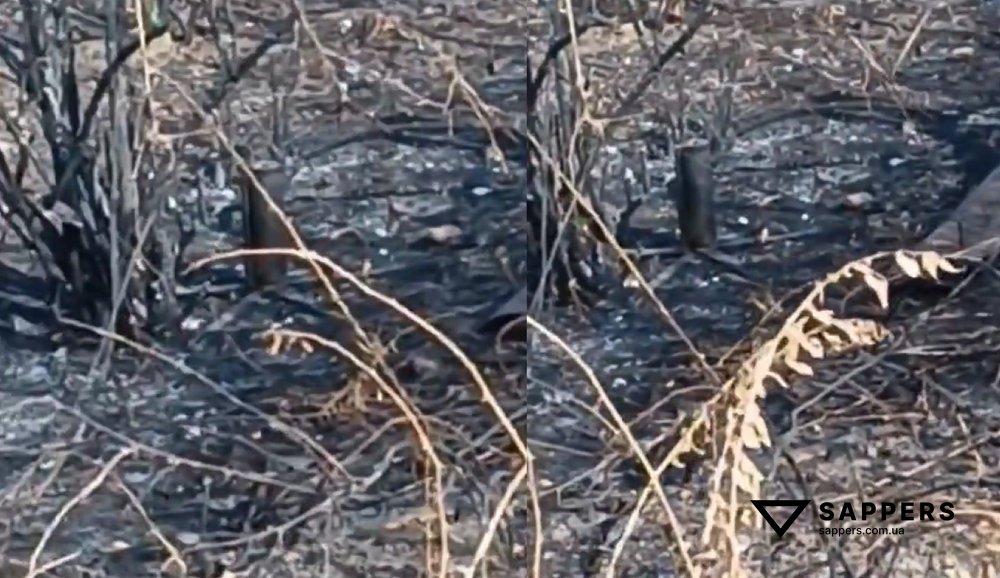
The main element of the new mine is a cylindrical body, on the inside and outside of which all other components are mounted. Thus, an orientation system, made in the form of six spring-loaded supports, is installed on its outer surface. In the transport position these components lie along the body, and when the mine is armed they deploy and set the body vertically or at a slight angle to the vertical, depending on the characteristics of the surface on which the munition has landed. This ensures the optimum position of the mine during operation and more effective target engagement.
Also located on the outer surface of the body is the tubular housing for the pin of the seismic target sensor. When the mine is armed, the pin penetrates into the ground. With its aid, the mine’s electronics monitor the situation and determine the approach of various objects, including enemy personnel. The mine is equipped with a special electronic unit responsible for processing signals from the seismic target sensor and controlling the warhead.
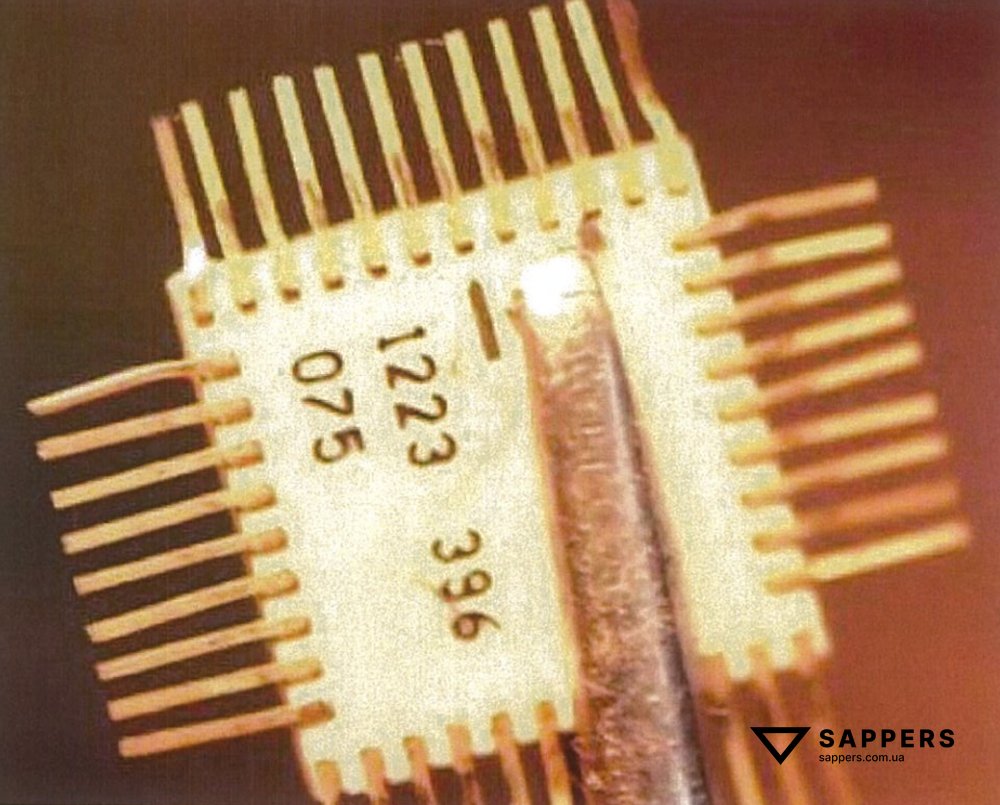
The electronic unit receives signals concerning ground vibrations beneath the mine and compares them with signatures stored in its memory. If the vibrations are similar to those caused by human footsteps and also have sufficient amplitude, indicating the approach of a target, a command is issued to actuate the warhead.

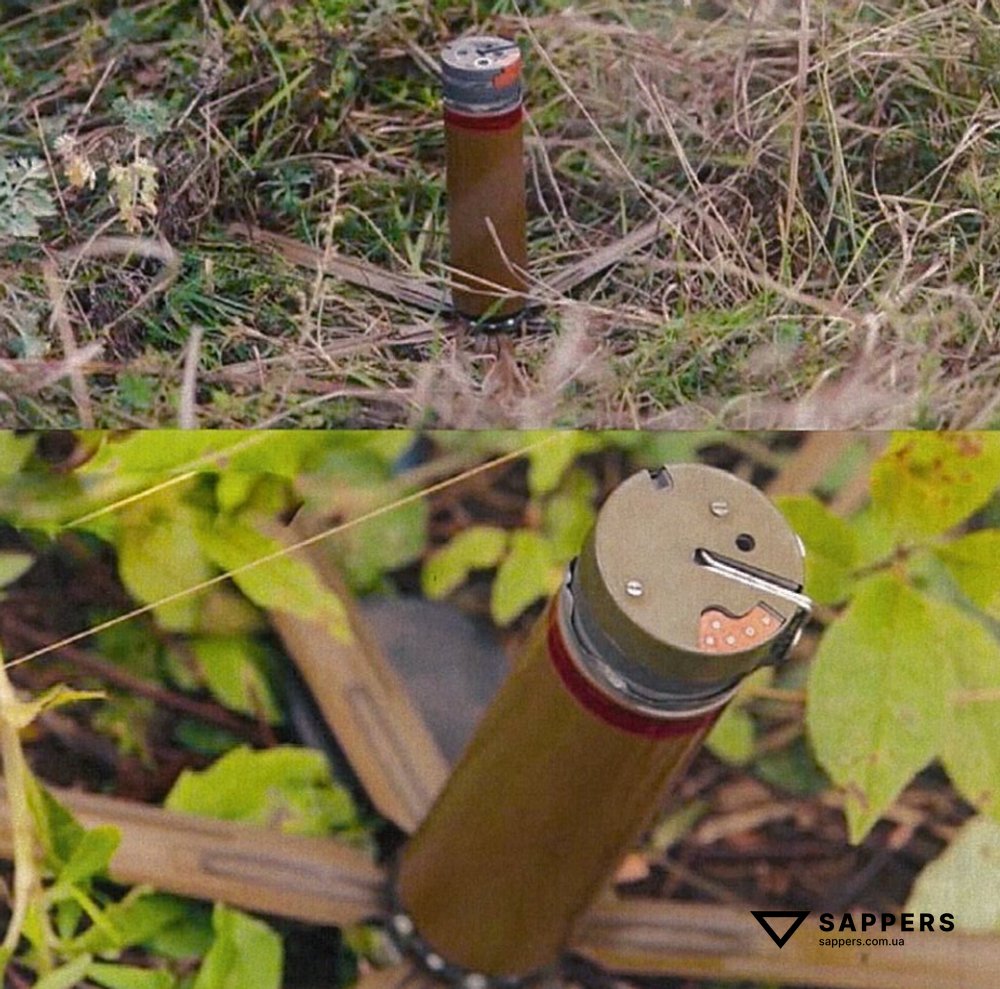
The seismic target sensor and the mine’s electronic unit make rendering it safe impossible. Any unauthorized attempt to approach the mine will be prevented. By approaching to within several meters, an EOD operator will trigger the mine. An attempt to move it from its position using a cable will likewise result in detonation. Thus, a detected POM-3 mine can be destroyed by various means (although not without risk to EOD personnel), but all attempts to render it safe and recover it intact are impossible.
Upon expiry of the preset operating time, the mine self-destructs.

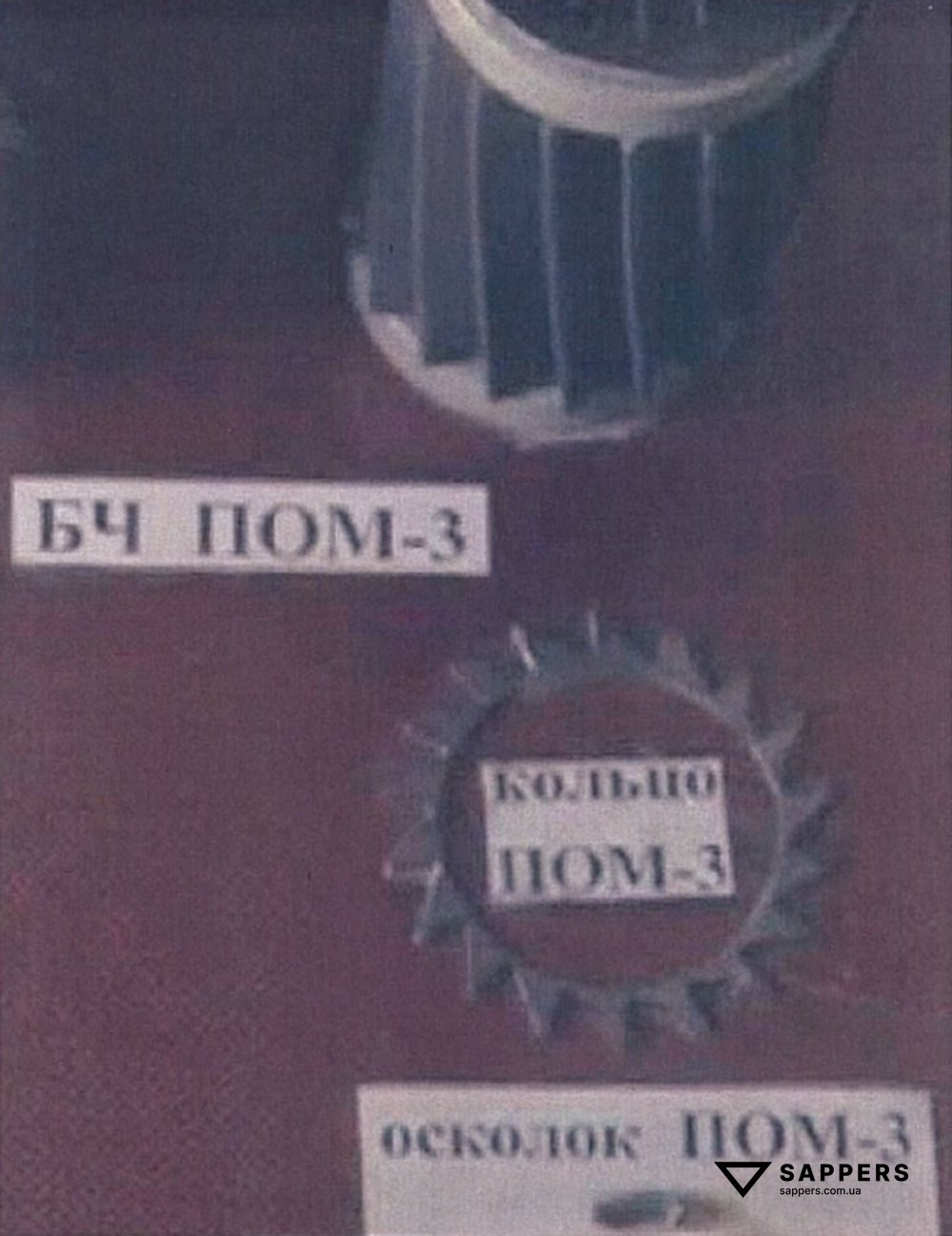
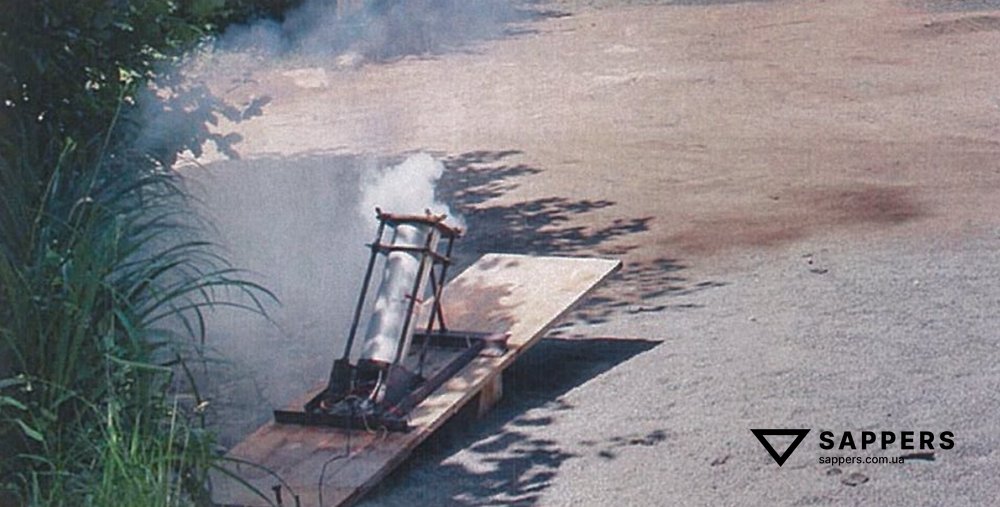
To increase combat effectiveness, the mine is fitted with an ejectable warhead. On command from the electronic unit or by a remote operator command from the control panel via radio signal, the expelling charge is initiated, after which the mine’s warhead “bounds” to a height of about 1-1.5 m above the ground surface. At this height, the main charge is detonated, which is responsible for dispersing fragments and engaging enemy personnel. In order to increase the lethality of the fragments and reduce dead zones, the POM-3 mine is fitted with a warhead with semi-preformed lethal elements. The main explosive charge and detonator are installed inside an assembly made up of a large number of special rings resembling gear wheels in shape. When the main charge detonates, these rings rupture at thin sections and break up into numerous triangular or trapezoidal fragments. The latter, rotating around their own axes, fly off in different directions and form a large lethal area. The large number of specially shaped fragments and their correct orientation ensure effective engagement of personnel within a radius of at least 8-13 m from the point of detonation. Unprotected combatants are guaranteed to sustain wounds at distances of up to 13 m, while those wearing body armor up to 8 meters.

Work is currently under way to improve detonators with seismic target sensors, as a result of which the mines should acquire new capabilities. Thus, an additional magnetic sensor is to be installed in the mine. In that case, the seismic target sensor should be responsible for detecting people, while the magnetic sensor will search for metallic objects (weapons, helmets, ammunition load).


Coloration
Green, protective.
Marking
Standard, applied in black paint on the mine body and contains:
- POM-3 - mine code.
- 582-RF-1-11 - manufacturer’s plant code - batch number - year of manufacture.