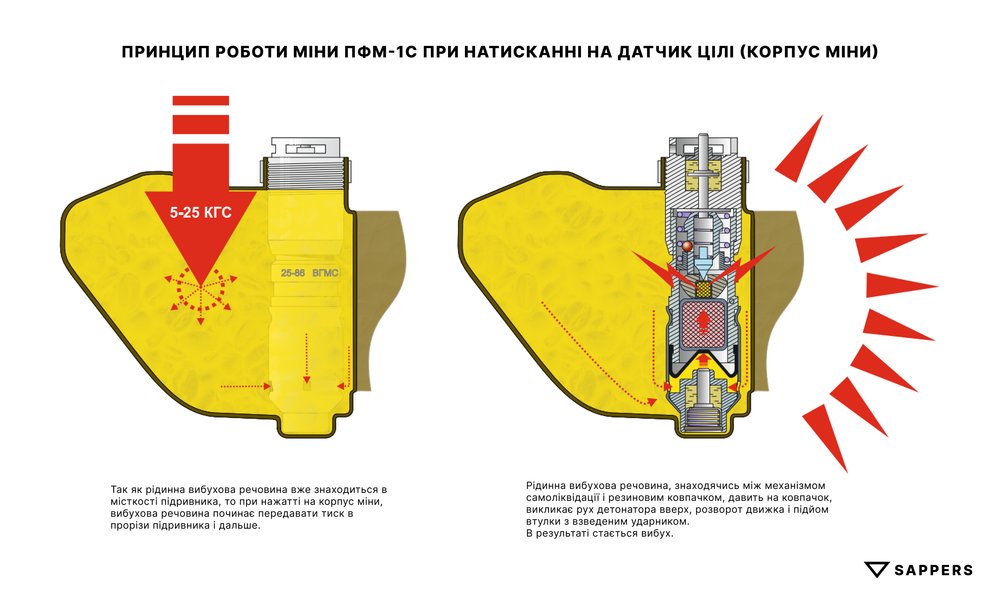
Technical and tactical characteristics of the PFM-1 or PFM-1S mine
- Mine type
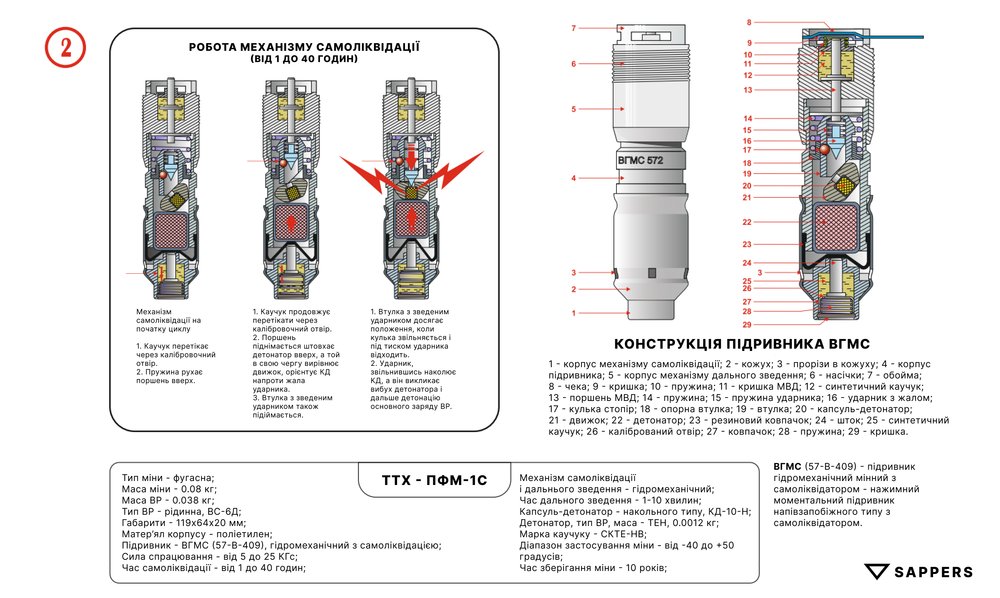
- pressure-actuated blast anti-personnel mine
- Body
- polyethylene
- Weight
- 0.08 kg
- Weight of VS-6D explosive
- 0.04 kg
- Length
- 119 mm
- Width
- 64 mm
- Height
- 20 mm
- Target sensor area
- 34.1 cm²
- Sensitivity
- 5-25 kg
- Arming time
- 1-10 minutes
- Operational life
- 1-40 hours (1 year)
- Operating temperature range
- -20 to +40 °C
- Mine clearance
- not subject to disarming

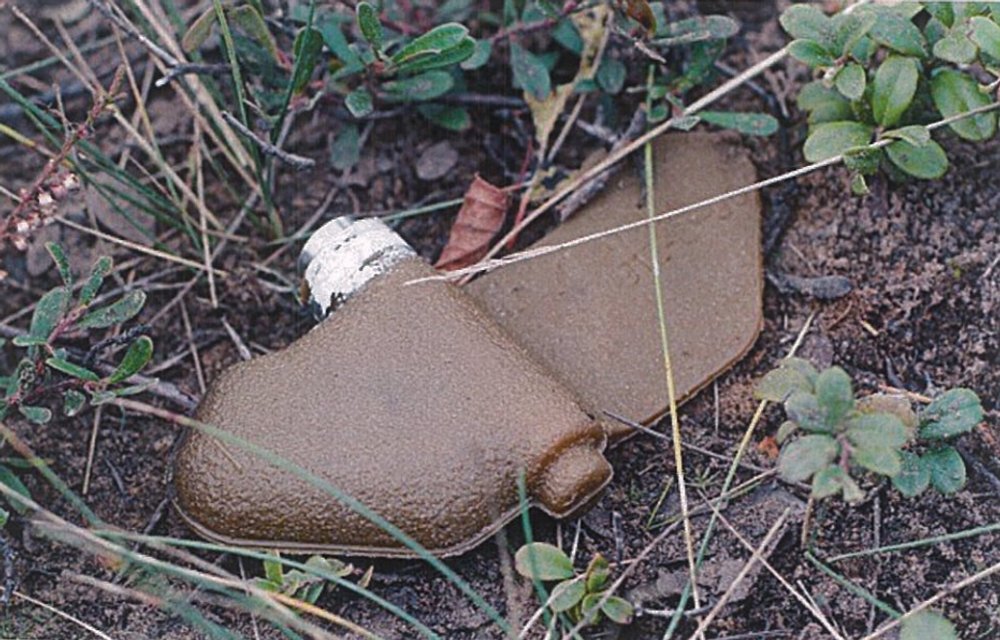
The PFM-1 mine is an almost exact Soviet copy of the American BLU-43/B "Dragontooth" mine.
It is designed to incapacitate enemy personnel. Injury to a person is inflicted by wounding the foot when the mine charge detonates at the moment pressure is applied by the foot to the target sensor, which is the entire area of the semi-soft polyethylene container with liquid explosive. When the mine detonates, the foot with which the soldier stepped on the mine receives severe injuries. Death is possible due to major blood loss if medical aid is not provided in time, but the fatality rate is no more than 2-5% of those wounded. A mine-protective suit reliably protects against these mines if the mine explodes at a distance of about one meter or more from the person, for example when removing the mine from its location using a shovel, scoop, or similar tool.
The mine can be emplaced on the ground only by remote mining systems of the PKM-1, VSM-1, UMZ, UMZ-K type. Variants are possible in which these mines are loaded into artillery projectiles or rockets of multiple launch rocket systems. Manual emplacement of the mines is not provided for.
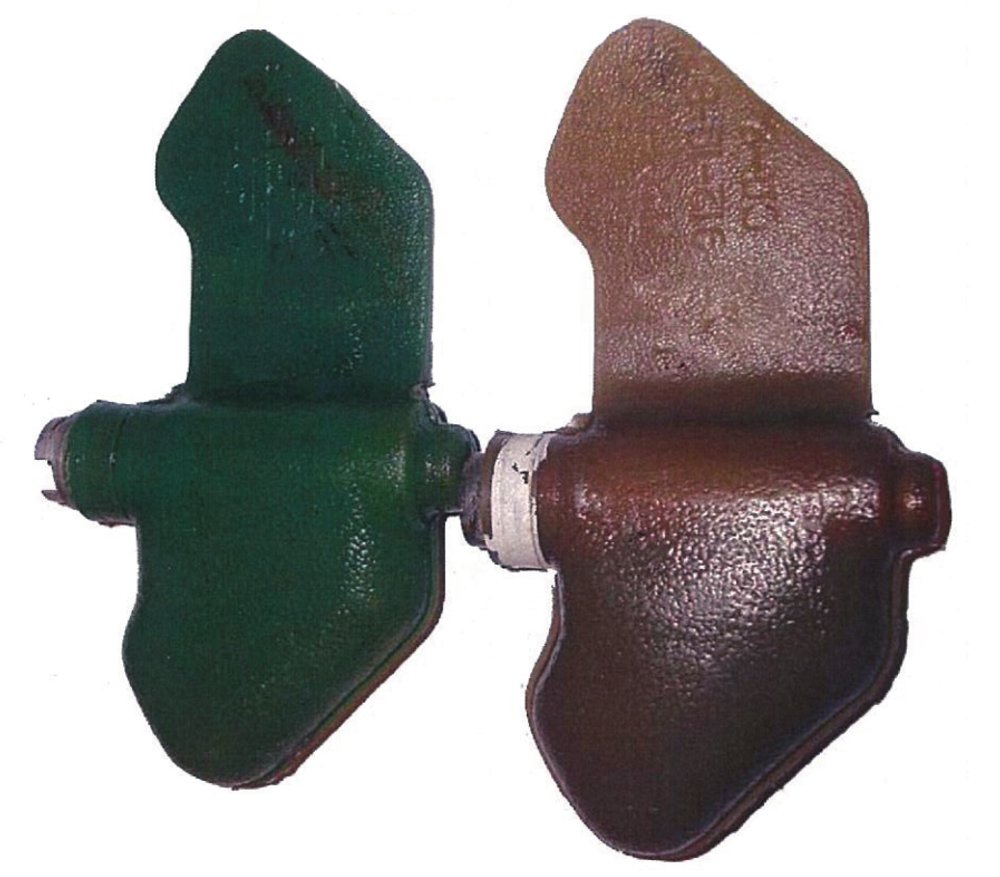
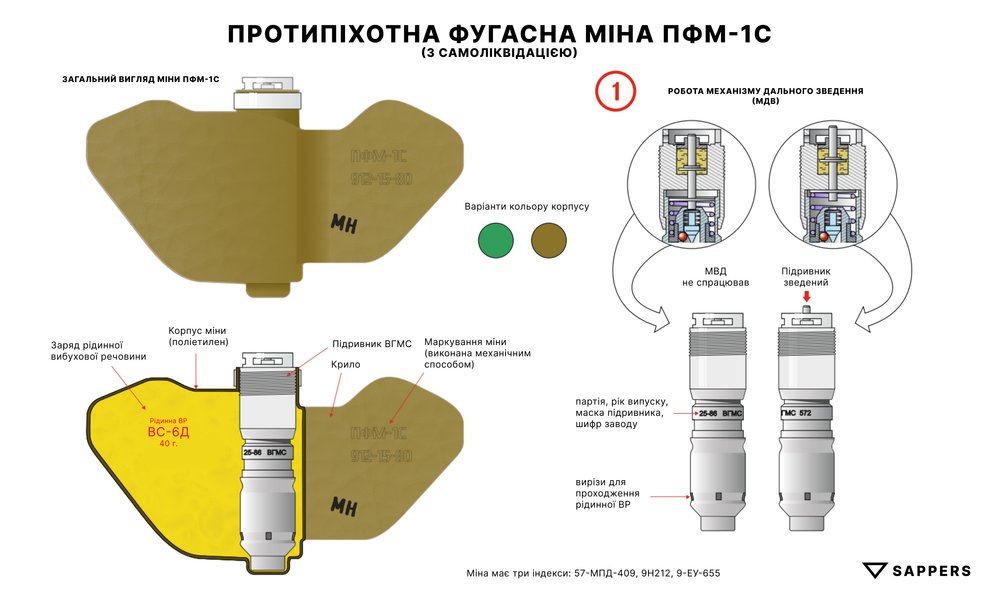
The mine exists in two variants: PFM-1 and PFM-1S. The first variant of the mine has no self-destruct device; the second is equipped with a device that ensures self-destruction of the mine by detonation after 1-40 hours from the time of emplacement (the self-destruction time depends on the ambient air temperature). Externally, these two mines differ in that the wing of the PFM-1S mine has a clearly visible letter "S".
The mines are placed in a universal cassette made of aluminum alloy. There are four types of cassette loading for the mines:
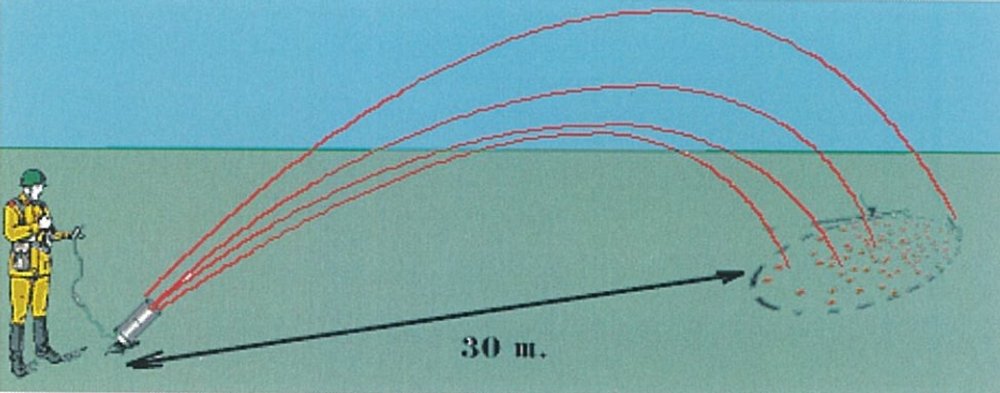
1. KSF-1 cassette. Holds 72 PFM-1 type mines. Mine ejection range up to 35 meters.
2. KSF-1S cassette. Holds 64 PFM-1S type mines. Mine ejection range up to 35 meters.
3. KFS-1S-0.5 cassette. Holds 36 PFM-1 type mines and 36 PFM-1S type mines. Mine ejection range up to 35 meters.
4. KFS-1S-0.5SK cassette. Holds 36 PFM-1 type mines and 36 PFM-1S type mines. It differs from the KFS-1S-0.5 by the stable flight range of the mines (30 - 35 meters) and a more uniform distribution within the dispersion ellipse.
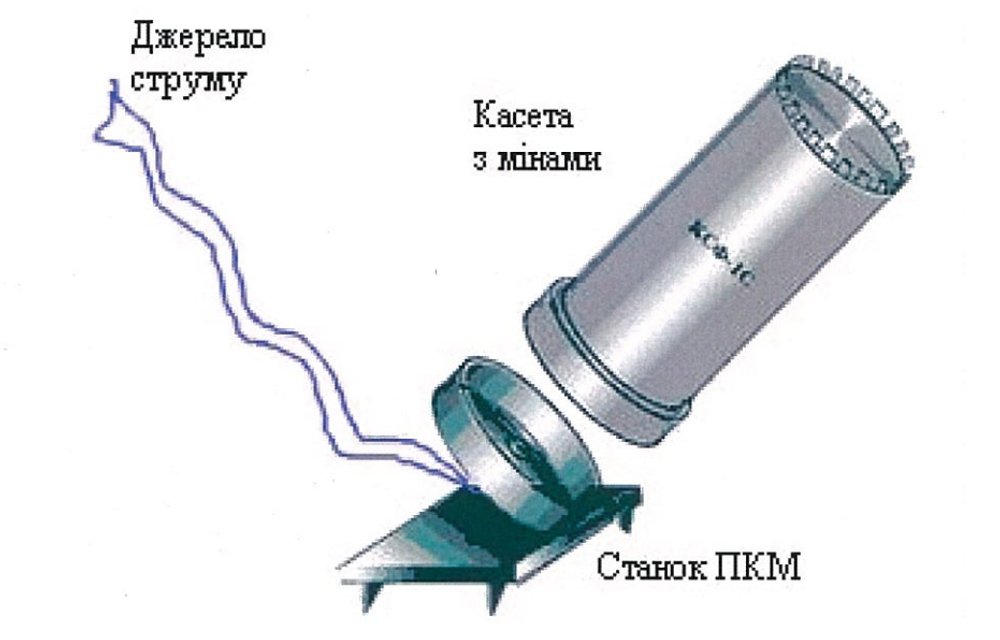
All types of cassettes have the same external appearance and characteristics and differ only in markings. Cassette diameter - 140 mm, length - 480 mm, cassette weight - 9 - 9.4 kg. Inside the cassette are the mines, the powder expelling charge, and the EKV-30M electric primer sleeve.
The cassette is placed in the corresponding carrier (PKM-1, VSM-1, UMZ, UMZ-K). Firing of the mines is carried out by an electrical impulse supplied from the control panel.

The mines are scattered within a dispersion ellipse measuring 18-20 by 8-10 meters and are distributed randomly. The mine has wings to ensure uniform placement over the area of the ellipse.

The mine can be emplaced on the ground surface by remote mining systems:
- UMZ and UMZ-K, which use standard KSF-1, KSF-1S, KSF-1S-0.5 type cassettes.
- VSM-1, which uses aviation cassettes.
- ASM-PFM-1S, which uses KMGU aviation dispensers.
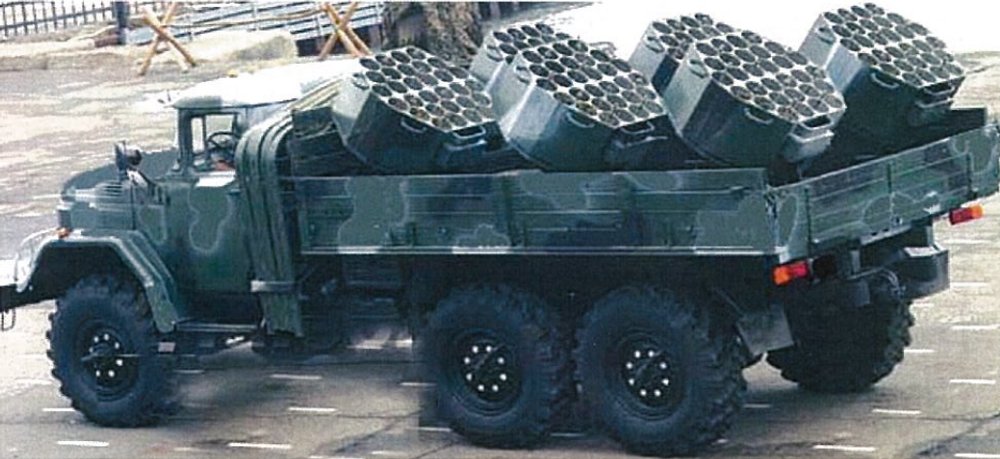
- 9K57 "Uragan" MLRS, which uses 9M27K3 rockets.
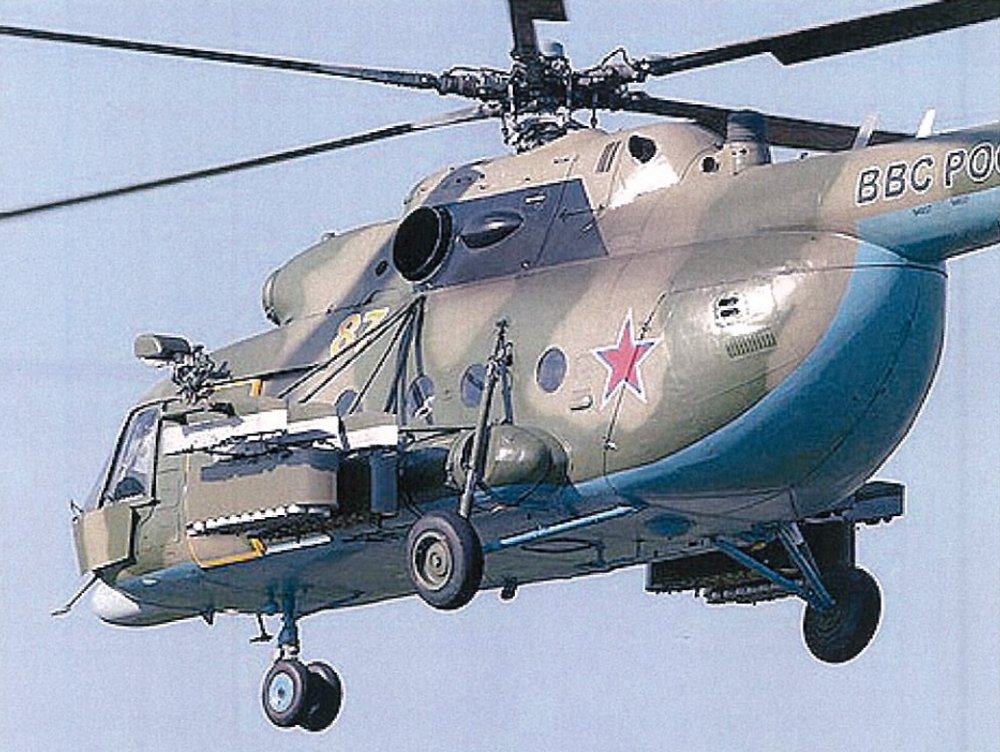
External weapon suspension points of the helicopter are used to mount the VSM-1 dispenser (two on each side of the fuselage). Each dispenser is designed to accommodate 29 KSF-1S type cassettes. In total, the helicopter carries 116 KSF-1S cassettes with 7424 mines.
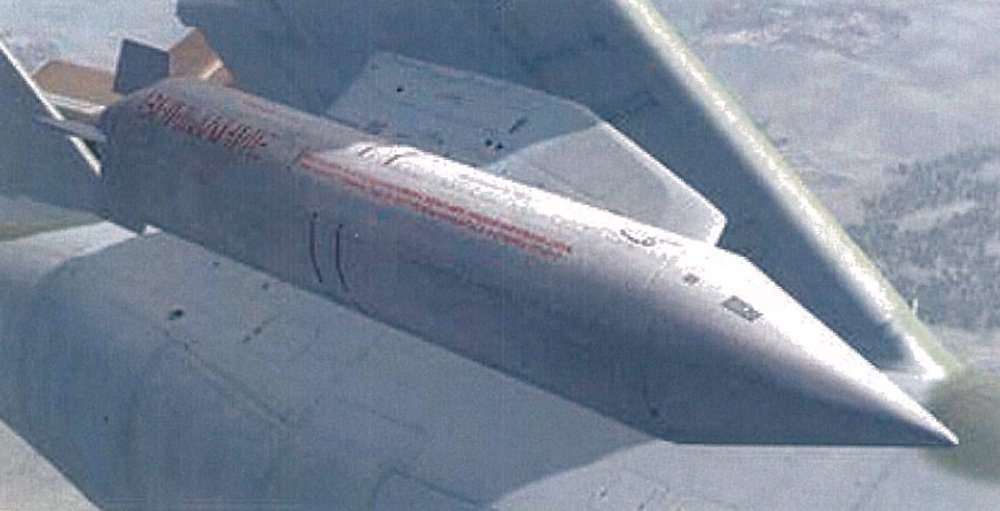
The ASM-PFM-1S aerial mining system uses KMGU type aviation dispensers. Each dispenser contains 1248 mines. Different aircraft can carry different numbers of KMGU dispensers.
Thus, the Su-25 attack aircraft can carry up to 6 KMGU dispensers (7488 PFM-1 mines), and the Su-24 frontline bomber up to 7 KMGU dispensers (8736 PFM-1 mines).
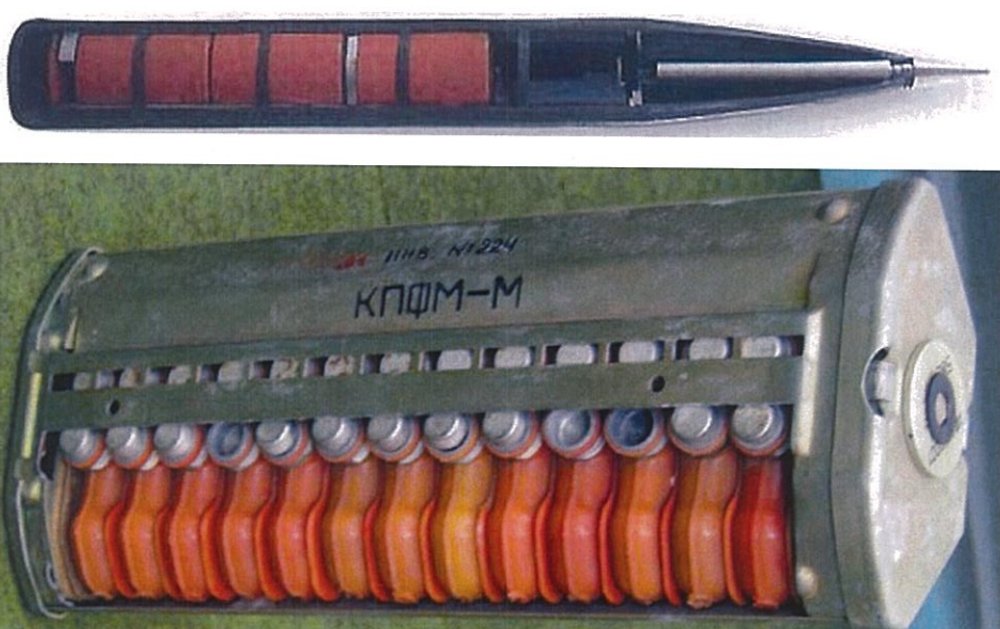
The 9M27K3 rocket of the 9K57 "Uragan" MLRS contains 312 PFM-1S mines, packed 26 each in 12 KPFM-M cassettes. In total, 16 rockets contain 4992 mines.




Marking
Standard, embossed on the wing of the mine and contains:
- PFM-1S - mine code.
- 912-6-80 - manufacturer plant code - lot number - year of manufacture.
- VS-6D - filling code.
Coloring
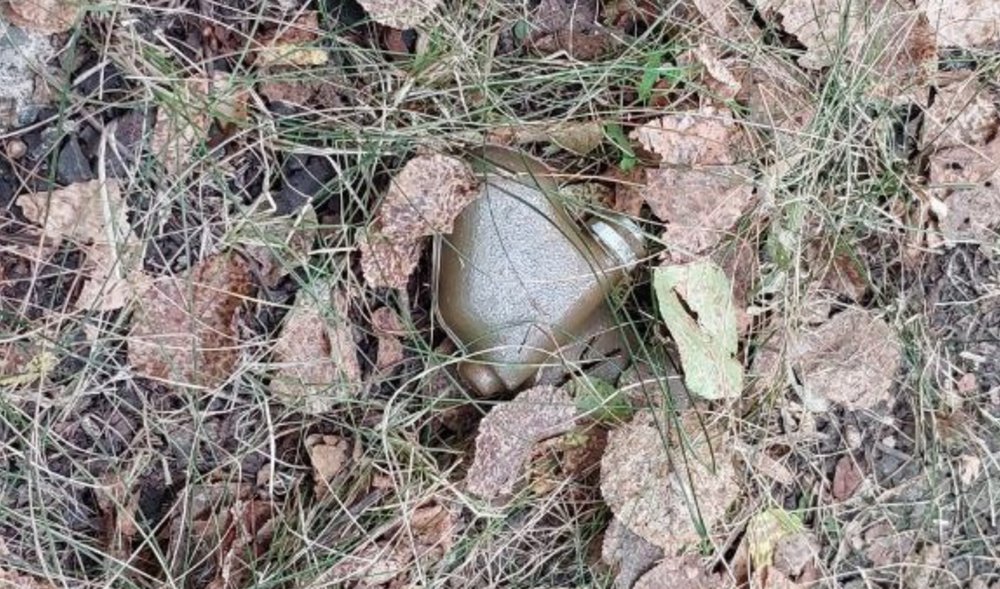
Green or brown.