Technical and tactical characteristics of the RGD-5 grenade (USSR)
- Type
- High-explosive fragmentation
- Weight
- 310 g
- Diameter
- 58.4 mm
- Body height
- 73-76 mm
- Overall height
- 116.8 mm
- Explosive
- TNT
- Explosive weight
- 110 g
- Fuze
- UZRGM-2
- Fuze delay time
- 3.2 - 4.2 sec
- Declared maximum fragmentation casualty range
- 25 m
- Actual radius of the effective casualty area
- 5 m
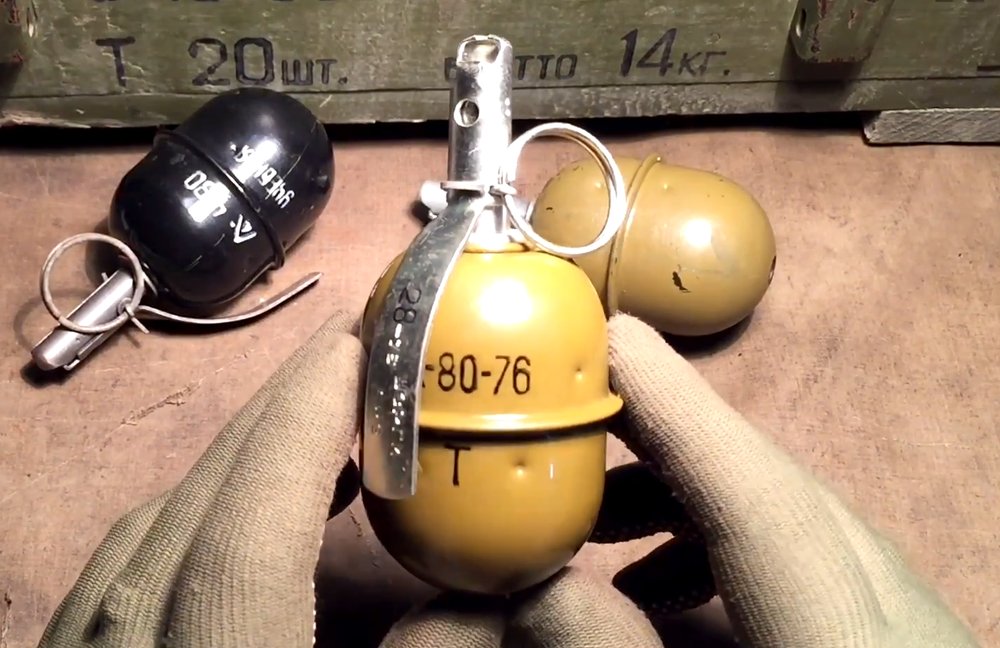
- Color of the combat version
- Olive gray, khaki
- Color of the training version
- Black
- Thickness of the cap and base cup
- 0.6 mm
- Thickness of the liners
- 1 mm
- Body material
- Thin sheet steel (stamped)
- Collar material
- Bimetal
- Plug material
- Phenolic plastic
- Adopted into service (USSR)
- 1954
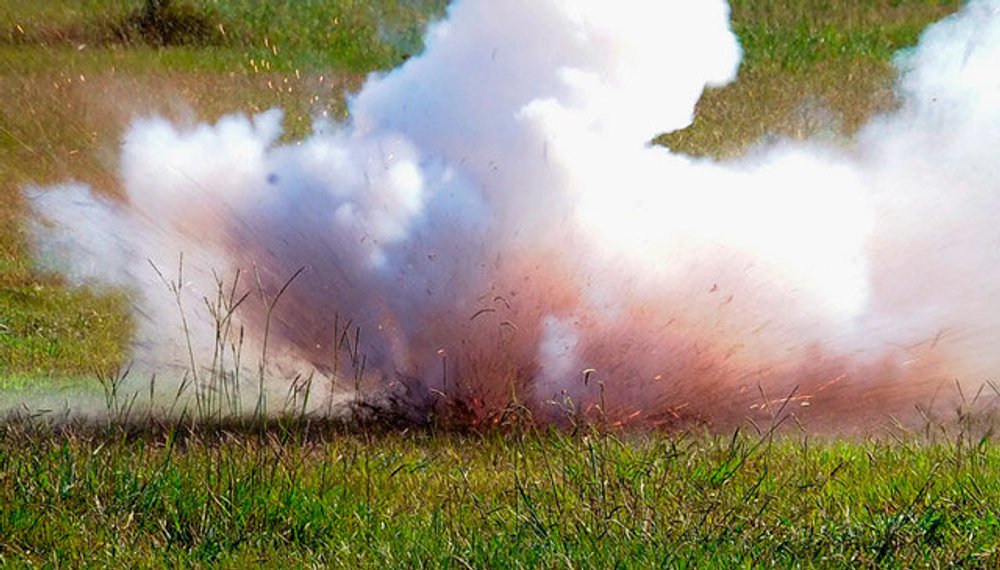
The declared maximum fragmentation casualty range is 25 m. However, the actual radius of the effective casualty area is 5 m. Within this radius, there is a high probability of inflicting fragmentation wounds on the enemy. However, personal ballistic protection may provide protection: helmet, body armor, additional modules, ballistic goggles.
If the target is affected at a distance of more than 5 m, fragments may only penetrate under the skin without significantly affecting the enemy’s combat effectiveness. A distance of approximately 12–15 m can be considered relatively safe, except for the risk of being struck by a fragment of the UZRGM.

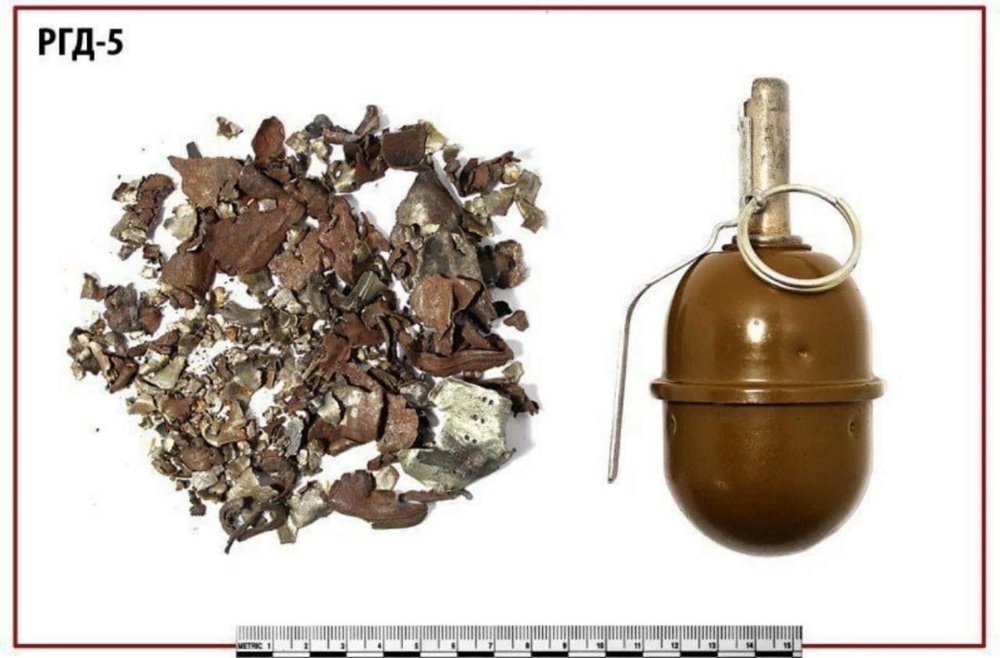

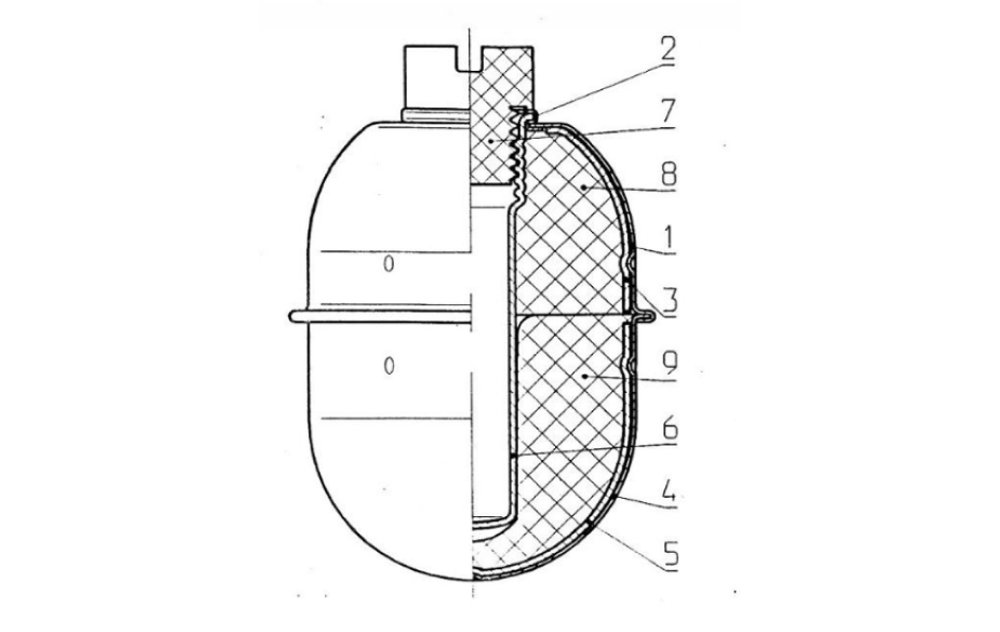
The RGD-5 grenade consists of a body with a fuze tube, a bursting charge, and a fuze.
The grenade body consists of two parts — upper and lower.
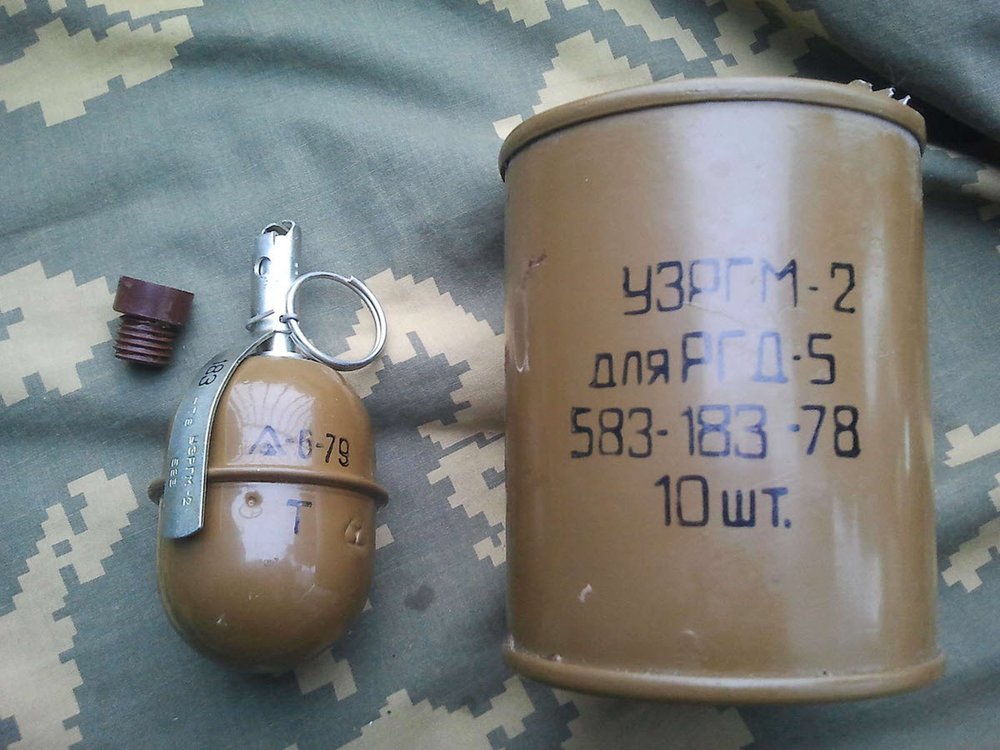
The upper part of the body consists of an outer shell, called the cap, and a cap liner. The fuze tube is attached to the upper part by means of a collar. The tube serves to attach the fuze to the grenade and to seal the bursting charge inside the body. To prevent contamination of the tube, a plastic plug is screwed into it. When preparing the grenade for throwing, the fuze is screwed into the tube in place of the plug.
The lower part of the body consists of an outer shell, called the base cup, and a base-cup liner.
The bursting charge fills the body and is intended to rupture the grenade into fragments.


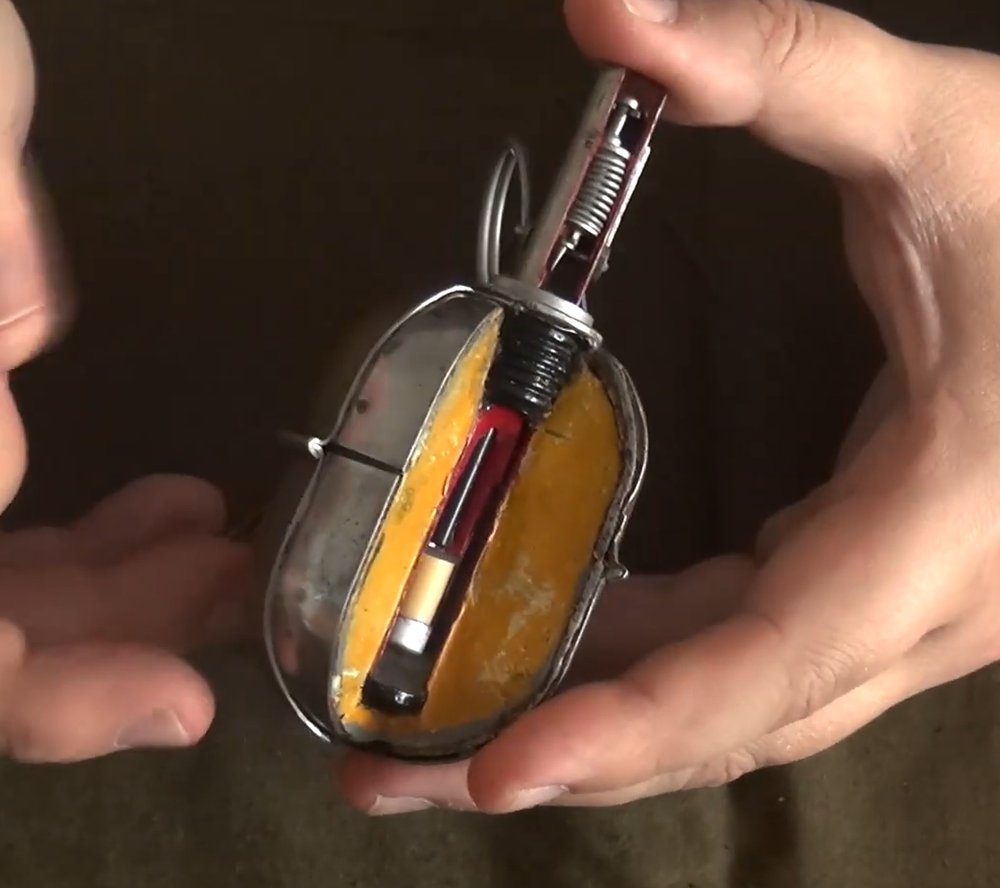
The UZRGM grenade fuze (Unified Hand Grenade Fuze, Modernized) is intended to initiate the bursting charge. It consists of a percussion mechanism and the fuze proper.
The percussion mechanism is intended to ignite the fuze primer. It consists of the percussion-mechanism tube, connecting sleeve, guide washer, mainspring, striker, striker washer, safety lever, and safety pin with ring.
The percussion-mechanism tube serves as the base for assembling all parts of the fuze. The connecting sleeve serves to connect the fuze to the grenade body. It is fitted onto the lower part of the percussion-mechanism tube.
The guide washer serves as a stop for the upper end of the mainspring and guides the movement of the striker. It is secured in the upper part of the percussion-mechanism tube.
The mainspring serves to impart to the striker the energy required to strike the primer. It is fitted over the striker, with its upper end bearing against the guide washer and its lower end against the striker washer.

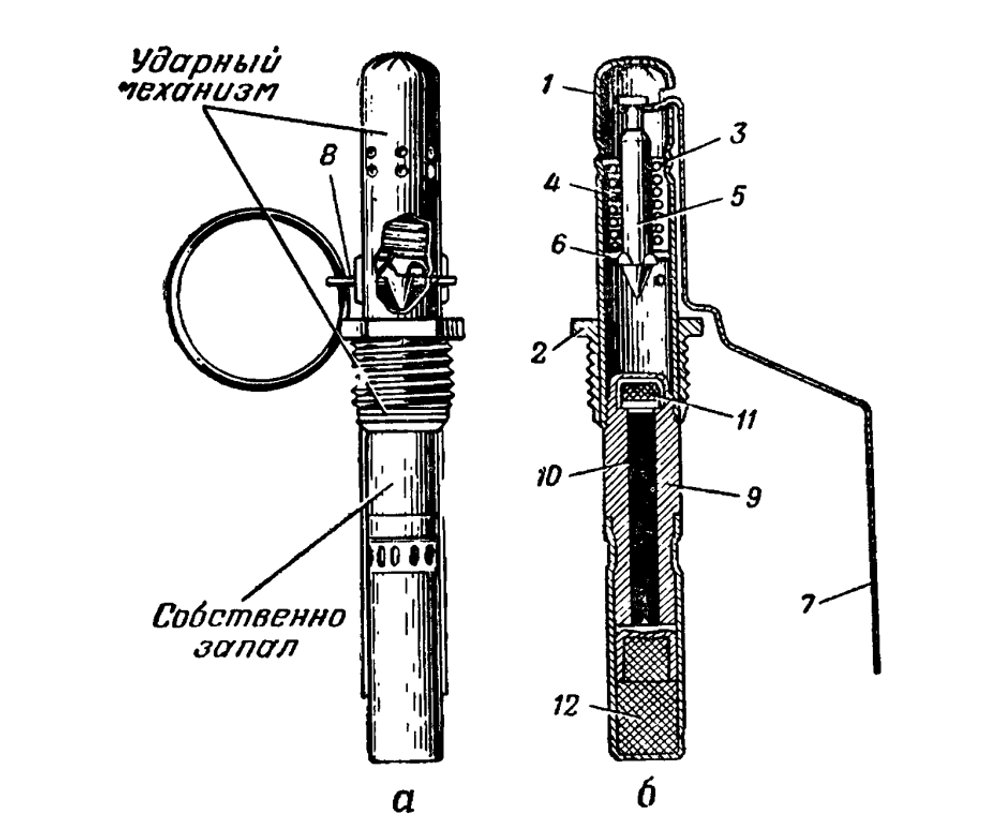
The striker is intended to strike and ignite the primer. It is located inside the percussion-mechanism tube.
The striker washer is fitted onto the lower end of the striker and serves as a stop for the lower end of the mainspring.


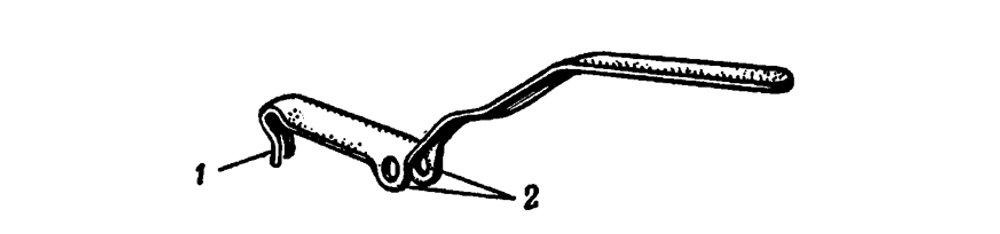
The safety lever is intended to hold the striker in the cocked position (mainspring compressed). On the percussion-mechanism tube, the safety lever is retained by the safety pin.
The safety pin passes through the holes in the lug of the safety lever and the walls of the percussion-mechanism tube. It has a ring for pulling it out.

The fuze proper is intended to initiate the grenade’s bursting charge. It consists of the delay-element sleeve, primer, delay element, and detonator.
The delay-element sleeve has, in its upper part, a thread for connection to the percussion-mechanism tube and a seat for the primer; inside, a channel in which the delay element is located; and, externally, a groove for attaching the detonator casing.
The primer is intended to ignite the delay element.
The delay element transmits the flame from the primer to the detonator. It consists of a pressed low-gas composition.
The detonator is intended to initiate the grenade’s bursting charge. It is located in a casing secured to the lower part of the delay-element sleeve.
Fuzes are always in the armed condition. Disassembling fuzes and checking the operation of the percussion mechanism are strictly prohibited.


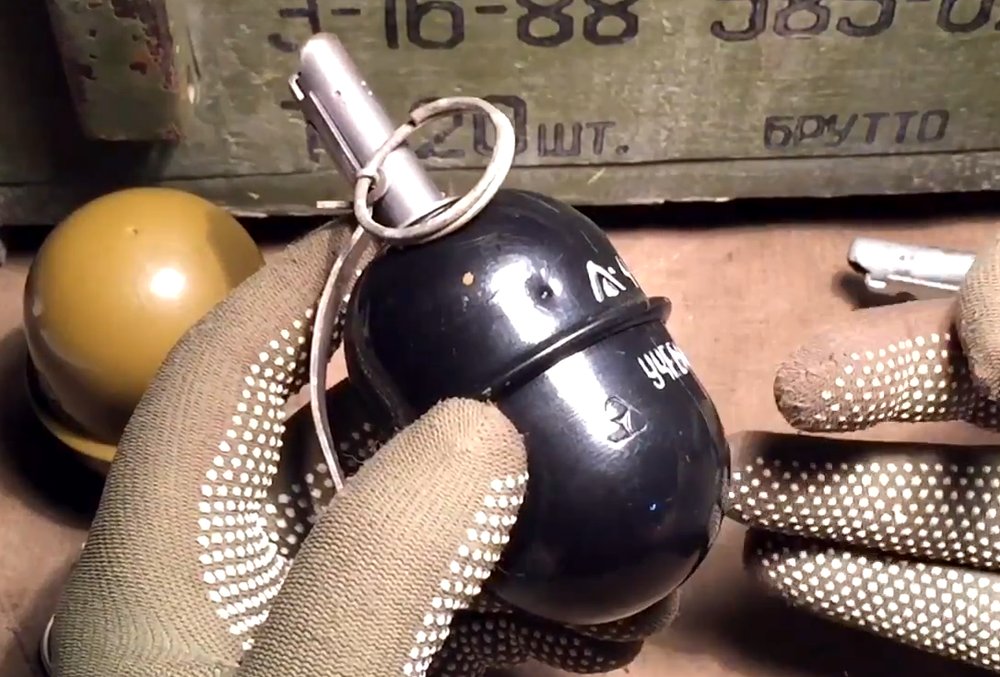
The training version of the RGD-5 grenade is painted black.

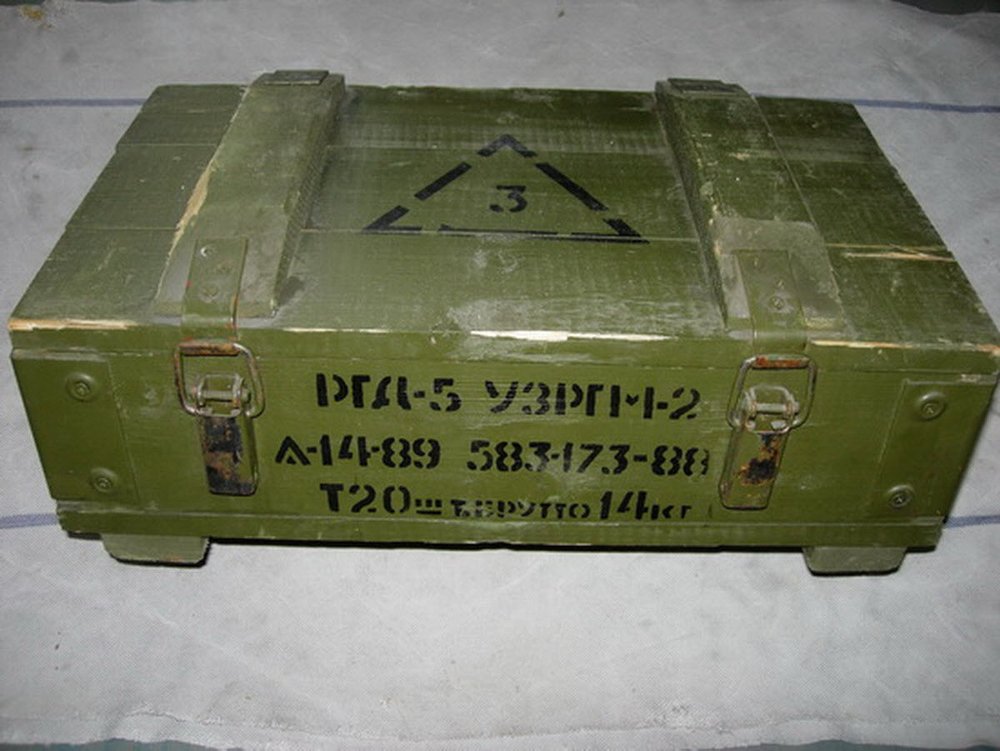
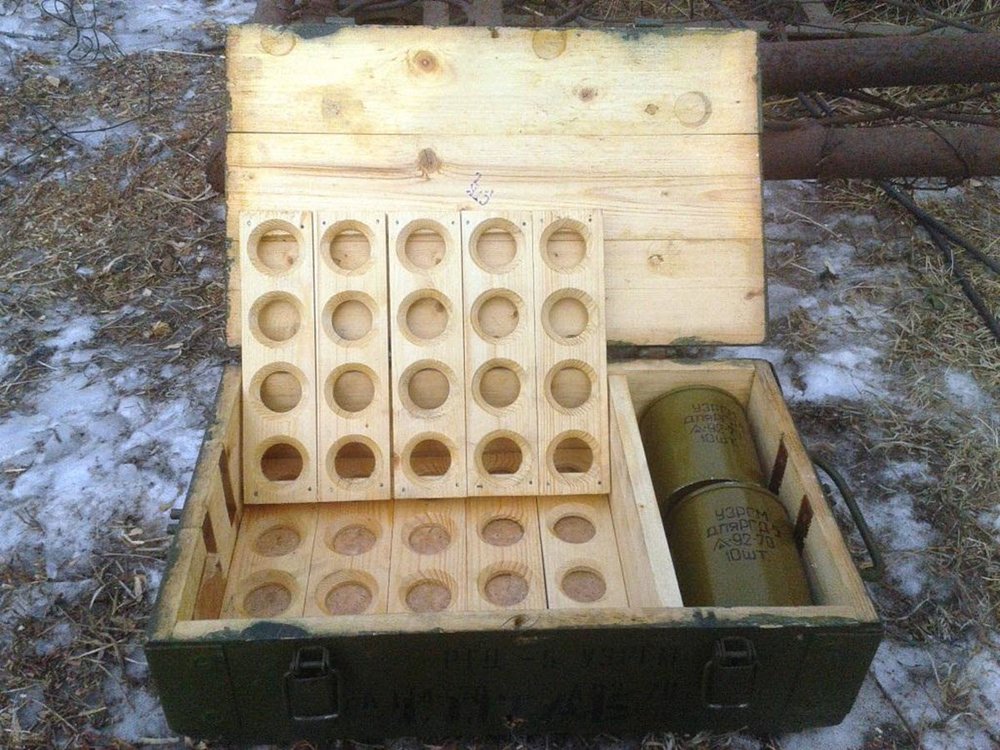
RGD-5 hand grenades must be stored in a dry, cool place protected from direct sunlight, separately from the fuzes (UZRGM/UZRGM-2), in factory wooden crates.

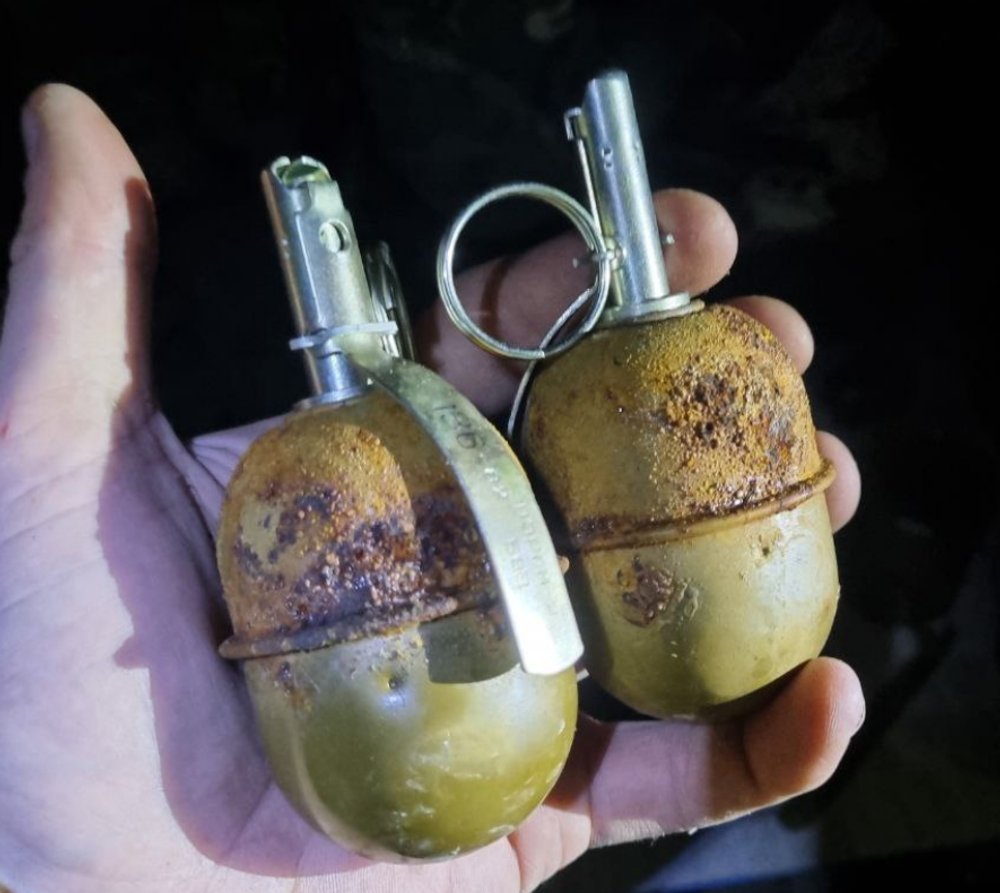
One crate contains 20 RGD-5 grenade bodies with plastic plugs screwed into the bodies and 2 sealed cans for UZRGM fuzes (10 fuzes in each).